

Understanding the effects of long-term unused cars is essential for preventing hidden mechanical, electrical, and structural damage. When a vehicle remains parked and unused for extended periods, multiple systems deteriorate simultaneously due to inactivity, moisture exposure, chemical breakdown, and lack of circulation.
The effects of long-term unused cars often remain invisible until the vehicle is restarted, leading to unexpected failures and higher repair costs.
Why Long-Term Vehicle Inactivity Is Harmful
Cars are engineered to operate regularly. Long periods of inactivity cause:
- Battery discharge
- Fluid degradation
- Seal drying
- Corrosion buildup
- Electrical instability
These issues compound over time, increasing overall vehicle deterioration.
1. Battery Degradation in Unused Cars
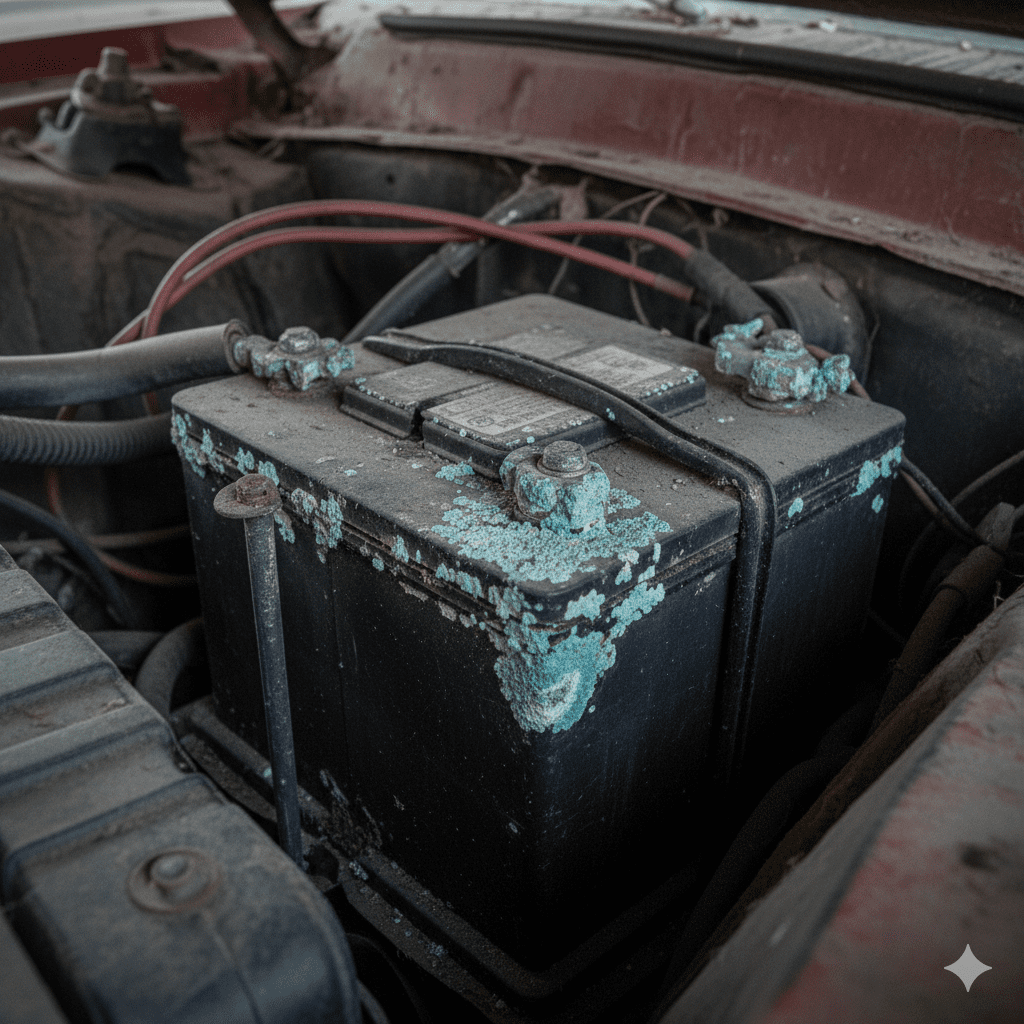
One of the most immediate effects of long-term unused cars is battery discharge and sulfation. Without regular charging cycles, batteries lose capacity and internal efficiency.
🔗 Car battery replacement near me Dubai
Common battery effects include:
- Permanent voltage loss
- Terminal corrosion
- Inability to hold charge
- Complete battery failure
2. Battery Brand Performance During Inactivity
Different batteries respond differently to long-term inactivity.
🔗Amaron Batteries
Designed for lower self-discharge and longer storage tolerance.
🔗 Bosch Batteries
Stable construction but still affected by prolonged inactivity.
🔗 Tuflong Batteries
More sensitive to extended non-usage without maintenance charging.
3. Fuel System Deterioration
Long-term unused cars experience:
- Fuel evaporation
- Fuel oxidation
- Injector clogging
- Fuel pump stress
Stagnant fuel loses volatility and forms deposits that restrict flow.
4. Engine Oil and Fluid Breakdown
Inactivity causes fluids to settle and degrade:
- Engine oil loses lubrication properties
- Brake fluid absorbs moisture
- Coolant separates chemically
- Transmission fluid thickens
These changes increase friction and wear upon restart.
5. Tire Damage from Prolonged Parking
Unused cars develop:
- Flat spotting
- Sidewall stress
- Uneven tire deformation
- Reduced grip
Tire pressure loss accelerates structural damage during storage.
6. Brake System Corrosion
One of the hidden effects of long-term unused cars is brake component rust. Moisture accumulation leads to:
- Rotor corrosion
- Pad surface hardening
- Brake sticking
7. Electrical System Instability
Without operation, electrical systems suffer:
- Wiring oxidation
- Sensor signal interruption
- Control module voltage fluctuation
Electrical faults often appear immediately after reactivation.
8. Rubber Seal & Hose Degradation
Seals and hoses require fluid circulation to remain flexible. Long-term inactivity leads to:
- Cracked hoses
- Hardened gaskets
- Oil seal leaks
9. Cost Impact of Long-Term Vehicle Inactivity
Ignoring inactivity effects leads to cumulative repair expenses.
🔗 Car battery price guide Dubai 2026
Early inspection reduces replacement costs.
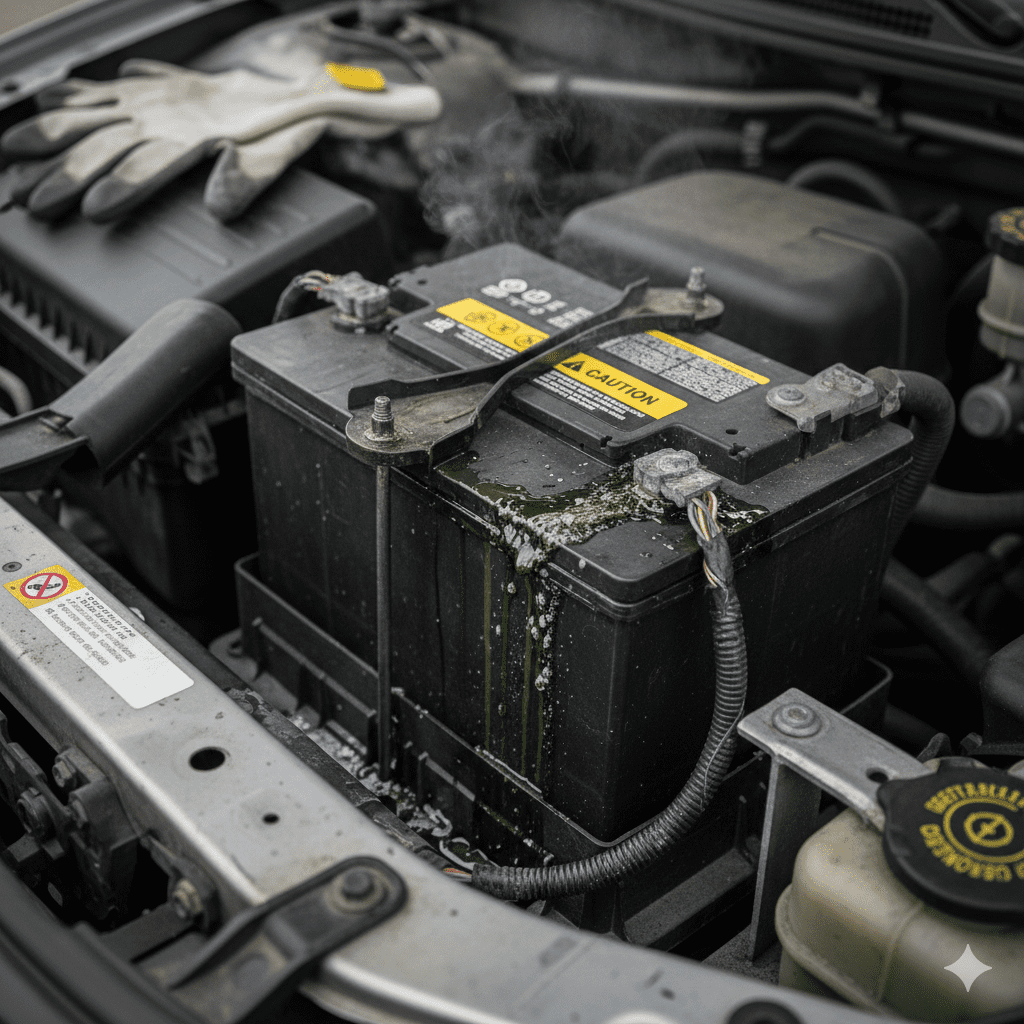
Case Study: Effects of Long-Term Unused Cars
| Vehicle | Storage Period | Main Issue | Result |
|---|---|---|---|
| Toyota Corolla | 6 months | Dead battery | Replacement required |
| BMW X5 | 8 months | Brake corrosion | Rotor resurfacing |
| Nissan Altima | 1 year | Fuel clogging | Injector cleaning |
Insight:
Vehicles unused for more than 3 months show measurable system degradation.
Maintained Storage vs Neglected Storage
| Factor | Maintained Storage | Neglected Storage |
|---|---|---|
| Battery health | Stable | Failed |
| Fluids | Preserved | Degraded |
| Tires | Normal shape | Flat-spotted |
| Brakes | Clean | Corroded |
| Restart reliability | High | Low |
What happens to a car if it is unused for a long time?
Long-term unused cars experience battery discharge, fluid degradation, brake corrosion, tire flat spots, and electrical instability due to inactivity and lack of circulation.
How long can a car sit unused before problems start?
Most effects of long-term unused cars begin within 2–4 weeks, while noticeable mechanical and battery damage appears after 2–3 months of inactivity.
Does not driving a car damage the battery?
Yes. One of the main effects of long-term unused cars is battery sulfation, voltage loss, and complete battery failure due to continuous self-discharge.
Conclusion
The effects of long-term unused cars extend beyond a dead battery. Prolonged inactivity impacts batteries, fluids, brakes, tires, electrical systems, and seals. Understanding these effects helps prevent costly repairs and ensures safe vehicle reactivation. Proper inspection and maintenance are essential before returning an unused vehicle to the road.
Leave a Reply