
20 Min Avg Turnaround | 18-Month Warranty | Free Diagnostics | Free Installation | 24/7 Support | 🚘 Feel the Bosch Difference |🚗 Try Once, Stay Forever
👉 🔥 Try EuroSwift once — and you’ll never go anywhere else for Bosch Car Battery Replacement in Dubai..
💬 Chat on WhatsApp
☎️ Call Emergency: +971 50 150 8507
Introduction
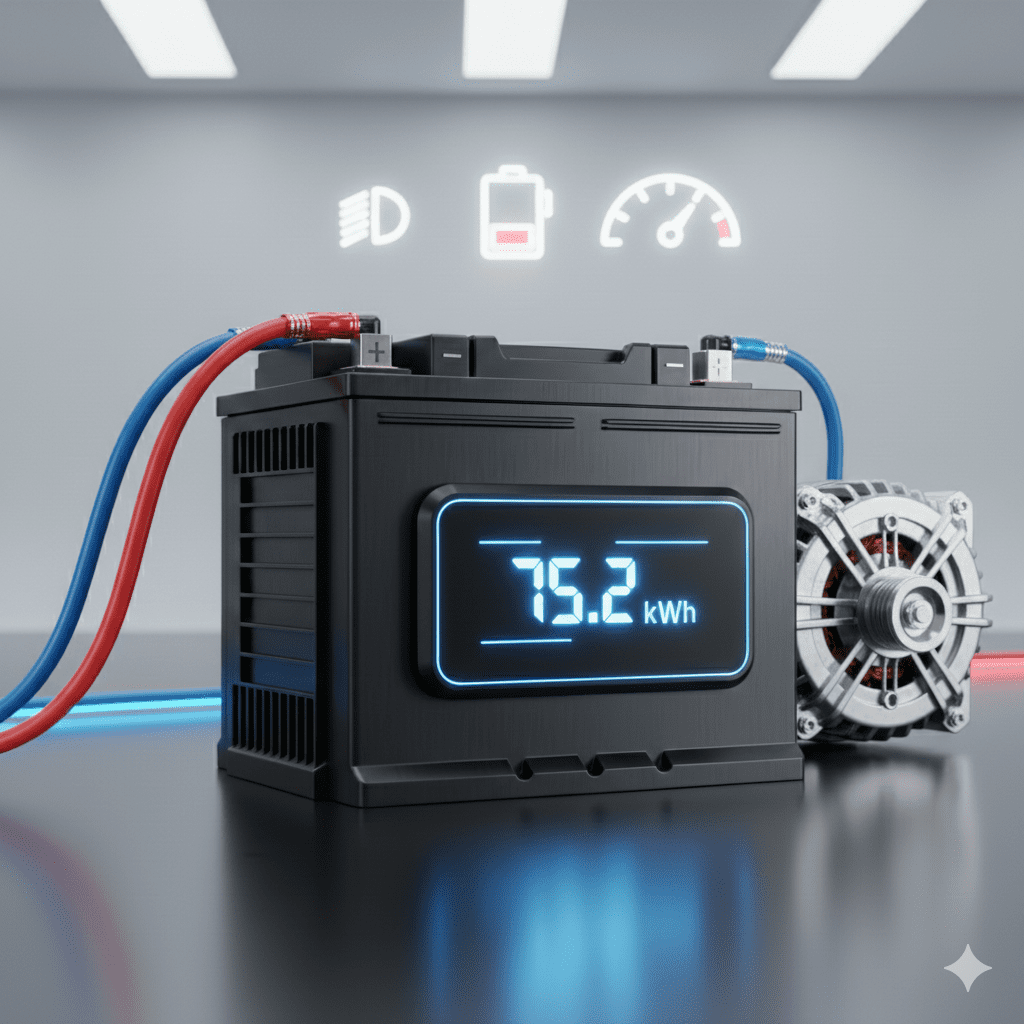
The phrase “car battery is charged while driving” refers to the process by which a vehicle’s battery receives a continuous flow of electrical energy while the engine is running. This is crucial to maintain voltage stability, accessory performance, and battery health. Unlike charging from a wall outlet, in-car charging is managed by the alternator, which converts mechanical energy from the engine into electrical energy to replenish the battery.
Modern cars with multiple electrical systems rely heavily on this mechanism to ensure uninterrupted power during real-world driving conditions.
How a Car Battery is Charged While Driving
- The Alternator’s Role
- Converts engine mechanical energy into electricity
- Supplies power to vehicle electronics while simultaneously charging the battery
- Maintains optimal voltage (~13.8V to 14.4V)
- Voltage Regulation
- Prevents overcharging, which can damage the battery
- Adjusts charging rate according to electrical load and battery state
- Battery Management System (BMS)
- In newer vehicles, BMS monitors battery temperature, voltage, and charge levels
- Ensures the battery is charged efficiently without overheating or degradation
Why Charging While Driving Matters
Charging while driving ensures:
- Continuous power for headlights, infotainment, AC, and safety systems
- Battery remains near optimal watt capacity
- Reduces risk of vehicle breakdown due to dead battery
- Extends battery lifespan and maintains efficiency
Case Study: A mid-size SUV in Dubai driving 50 km daily with high AC load:
| Parameter | Without Alternator Charging | With Alternator Charging |
|---|---|---|
| Voltage Stability | 11.5V – 12.0V | 13.8V – 14.2V |
| Battery Watt Capacity | 60% | 95% |
| Runtime of Accessories | 30 mins | 2 hours |
| Battery Health after 12 months | 75% | 90% |
Insight: Vehicles charging while driving maintain nearly full battery capacity even with heavy accessory use.
Factors Affecting Charging While Driving
- Battery Age & Condition
- Old or sulfated batteries may not accept charge efficiently
- Alternator Size & Efficiency
- Alternators must match the vehicle’s electrical demand
- High-load vehicles require high-capacity alternators
- Driving Conditions
- Short trips may not allow the battery to reach full charge
- Long highway drives optimize charging cycles
- Temperature
- Extreme heat or cold can reduce charge efficiency
- Battery management systems adjust charging accordingly
Signs Your Battery Isn’t Charging Properly While Driving
| Symptom | Possible Cause |
|---|---|
| Dim headlights | Alternator not generating enough voltage |
| Warning battery light | Faulty alternator or voltage regulator |
| Slow accessory response | Low watt capacity due to incomplete charge |
| Frequent jump-starts | Battery failing to charge properly |
5 Easy Steps to Charge Your Car Battery While Driving
Charging your car battery efficiently while driving ensures longer battery life, consistent vehicle performance, and fewer breakdowns. Follow these simple steps:
Step 1: Start with a Healthy Battery
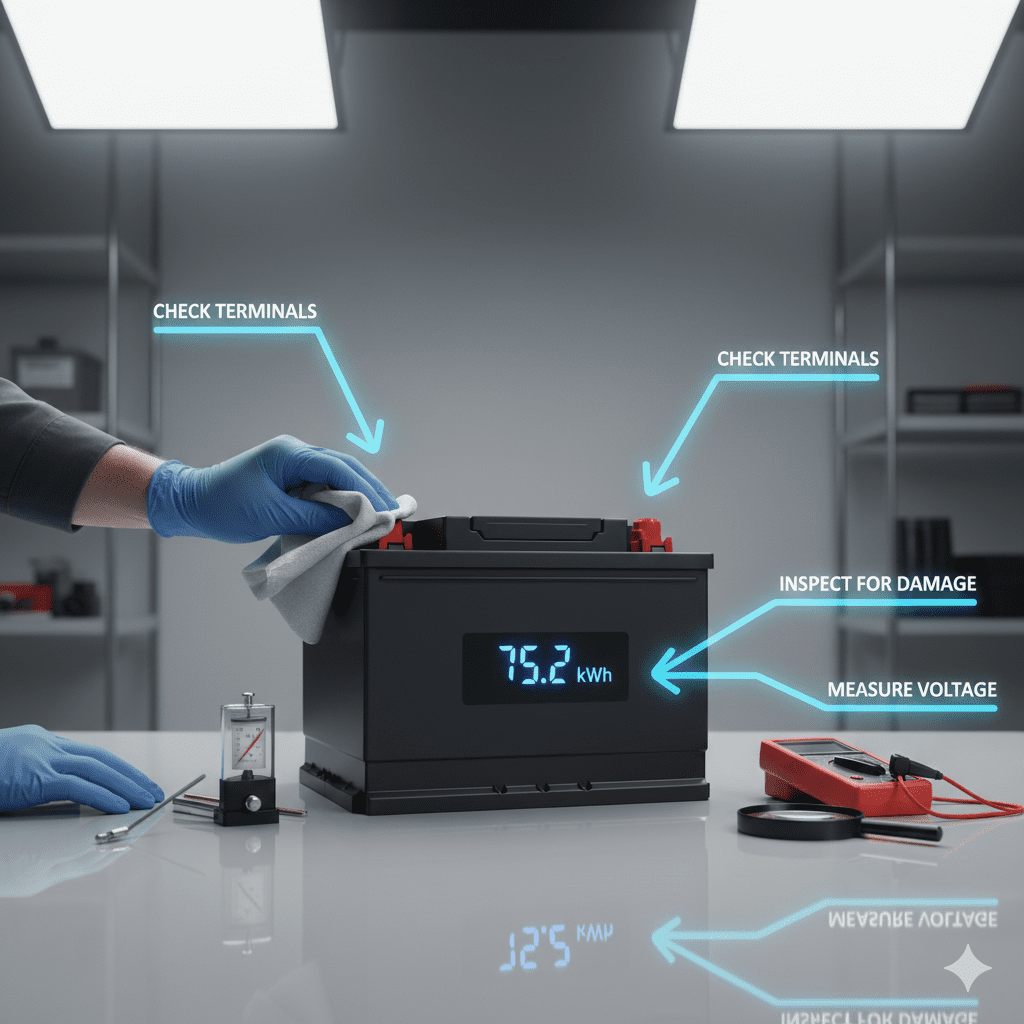
- Ensure your battery terminals are clean and free of corrosion.
- Check the battery for physical damage or swelling.
- A healthy battery charges faster and maintains optimal watt capacity.
Step 2: Inspect the Alternator
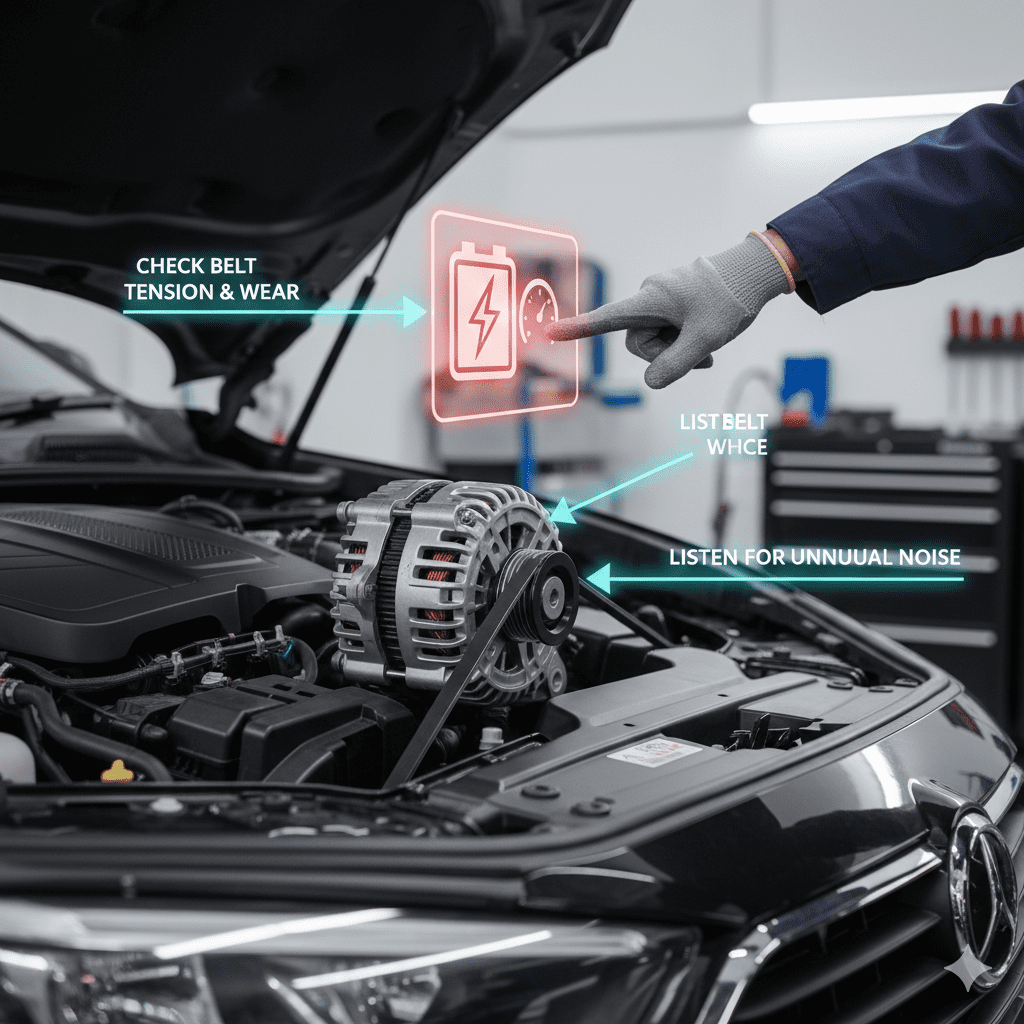
- Make sure your alternator is in good working condition.
- Listen for unusual noises or check for warning lights on the dashboard.
- A properly functioning alternator is critical to charge the battery while driving.
Step 3: Drive at Steady RPM
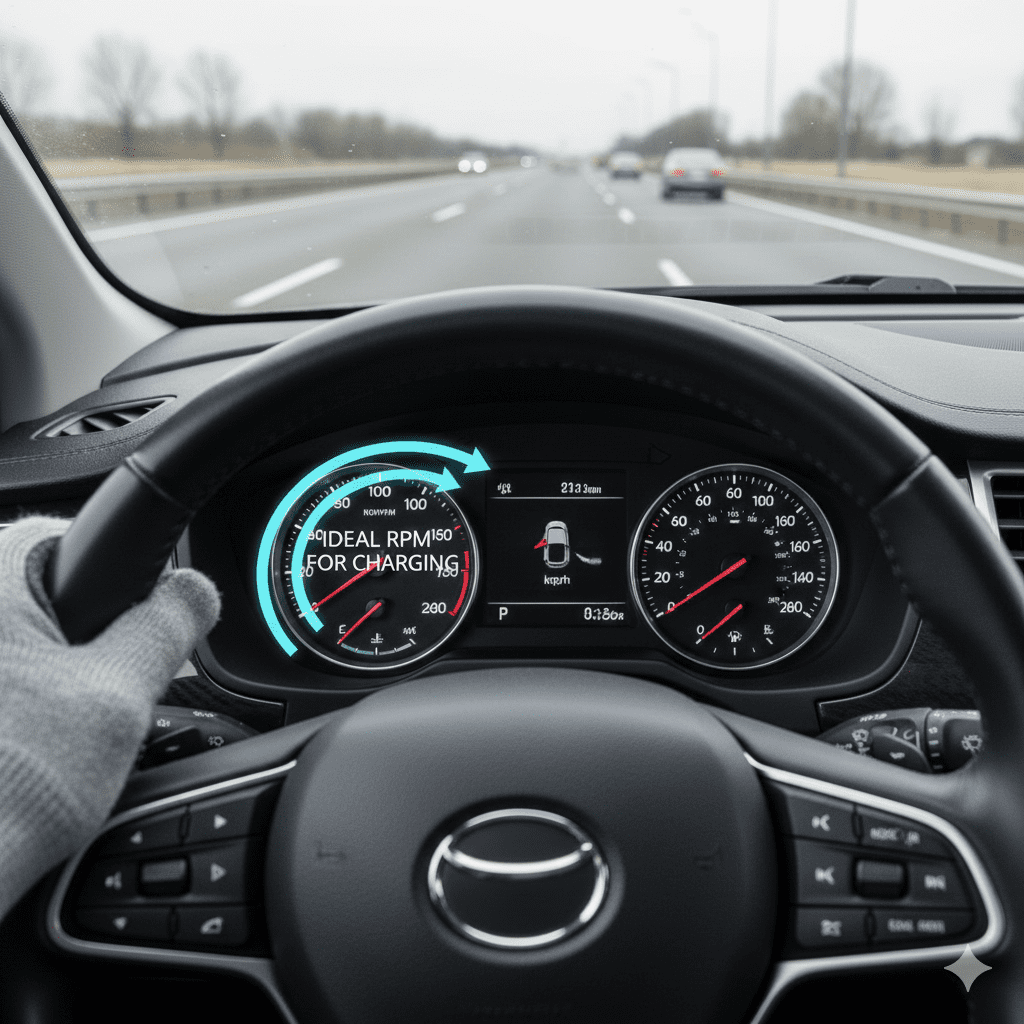
- Maintain engine speed around 2,000–3,000 RPM for efficient charging.
- Highway or consistent city driving allows the alternator to deliver optimal voltage (13.8V–14.4V).
Step 4: Minimize High Electrical Load During Initial Charge
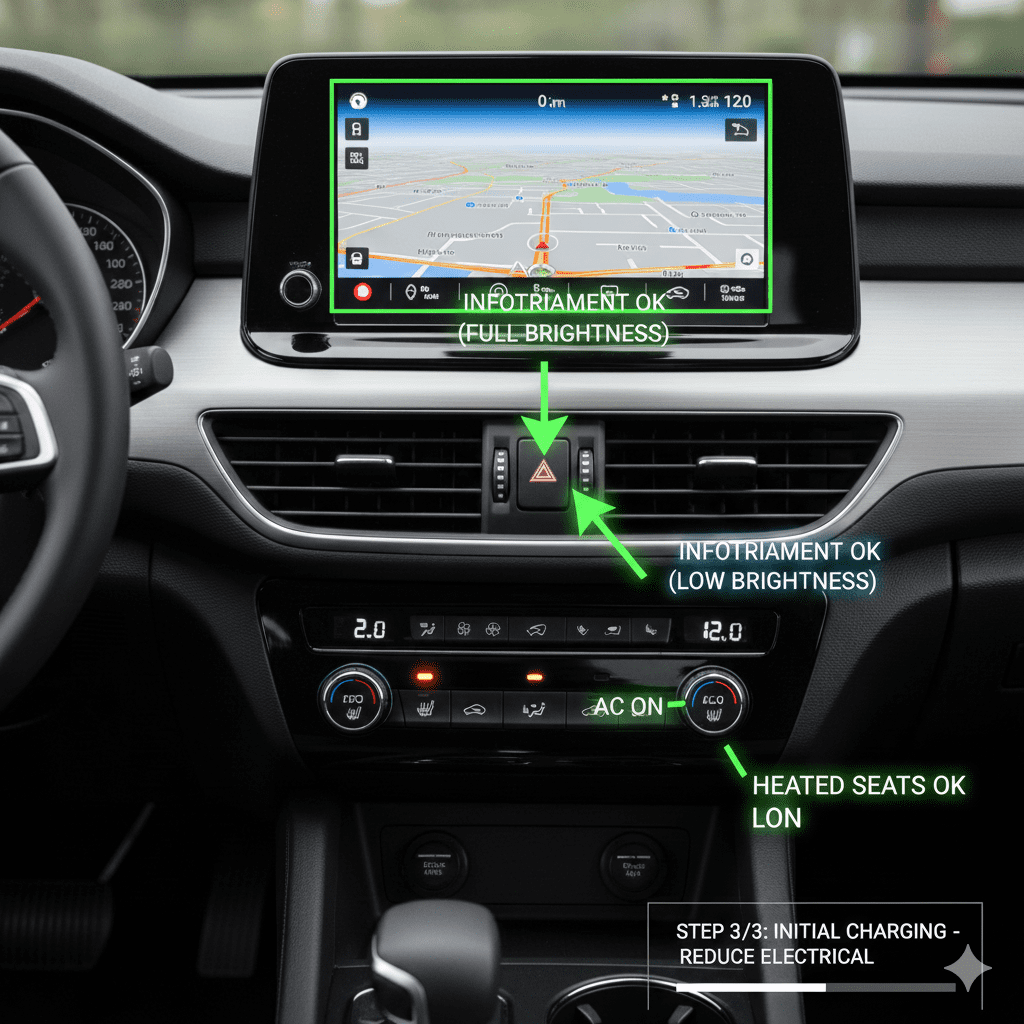
- Avoid running all high-power accessories simultaneously (AC, infotainment, heated seats) if the battery is partially discharged.
- Once battery is near full charge, normal accessory use is fine.
Step 5: Monitor and Maintain
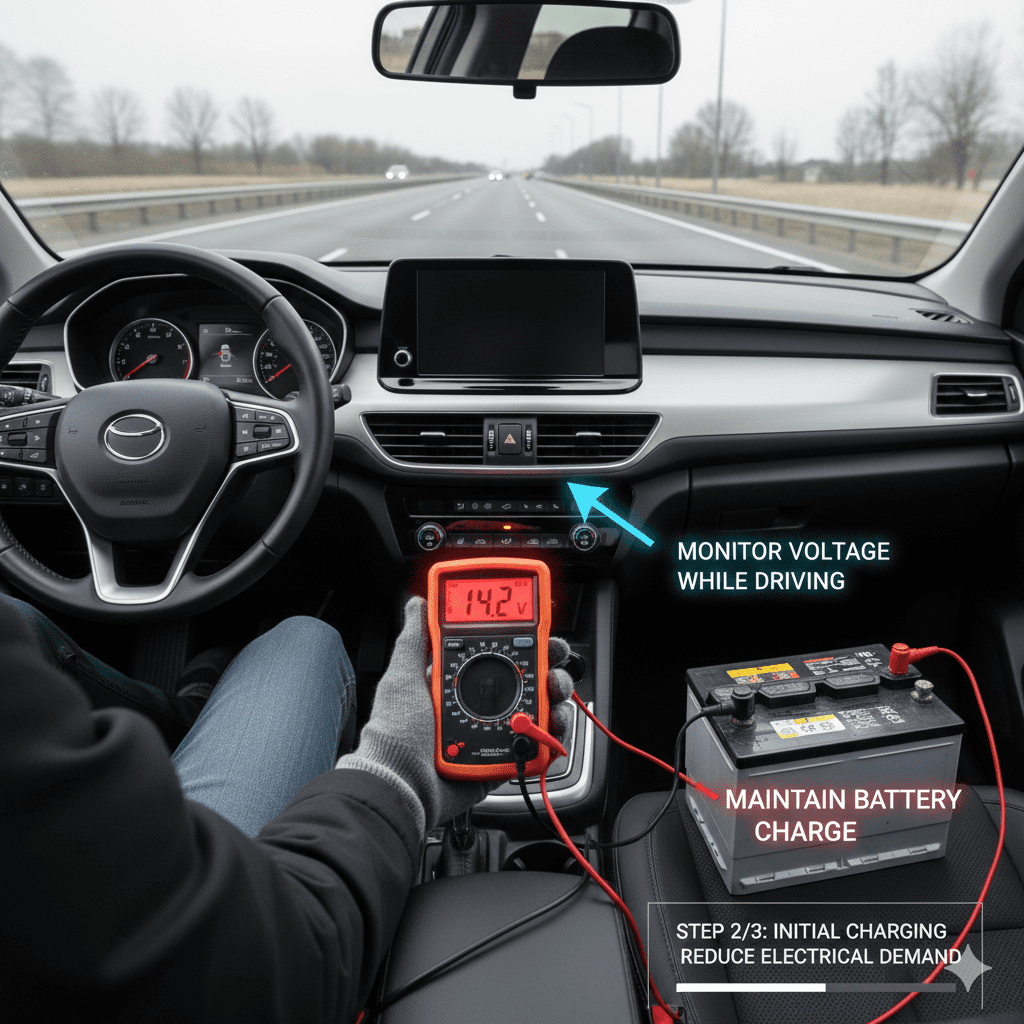
- Use a multimeter or onboard diagnostics to monitor voltage while driving.
- Ensure the battery remains within optimal charge range (avoiding deep discharge).
- Regularly maintain battery and alternator for consistent charging efficiency.
Pro Tip:
For heavy electrical loads or frequent short trips, consider upgrading to high-capacity batteries like Amaron, Bosch, or Tuflong. These batteries handle modern vehicles’ demands efficiently.
Professional Help: If unsure, EuroSwift Auto Services offers expert inspection, battery replacement, and upgrade services to ensure your car charges perfectly while driving.
Common Myths About Charging While Driving
- Myth: Driving fully charges a dead battery instantly
- Reality: Deeply discharged batteries require several hours of driving
- Myth: Alternator lasts forever
- Reality: Alternators degrade; regular inspection is necessary
- Myth: All car batteries charge at the same rate
- Reality: Battery type, age, and state of charge affect charging efficiency
Types of Batteries and How They Charge While Driving
| Battery Type | Charging Efficiency | Notes |
|---|---|---|
| Lead-Acid | Moderate | Sensitive to deep discharge |
| AGM | High | Better heat resistance, charges faster |
| Lithium-Ion | Very High | Requires BMS, optimal for heavy loads |
Impact of Accessories on Charging While Driving
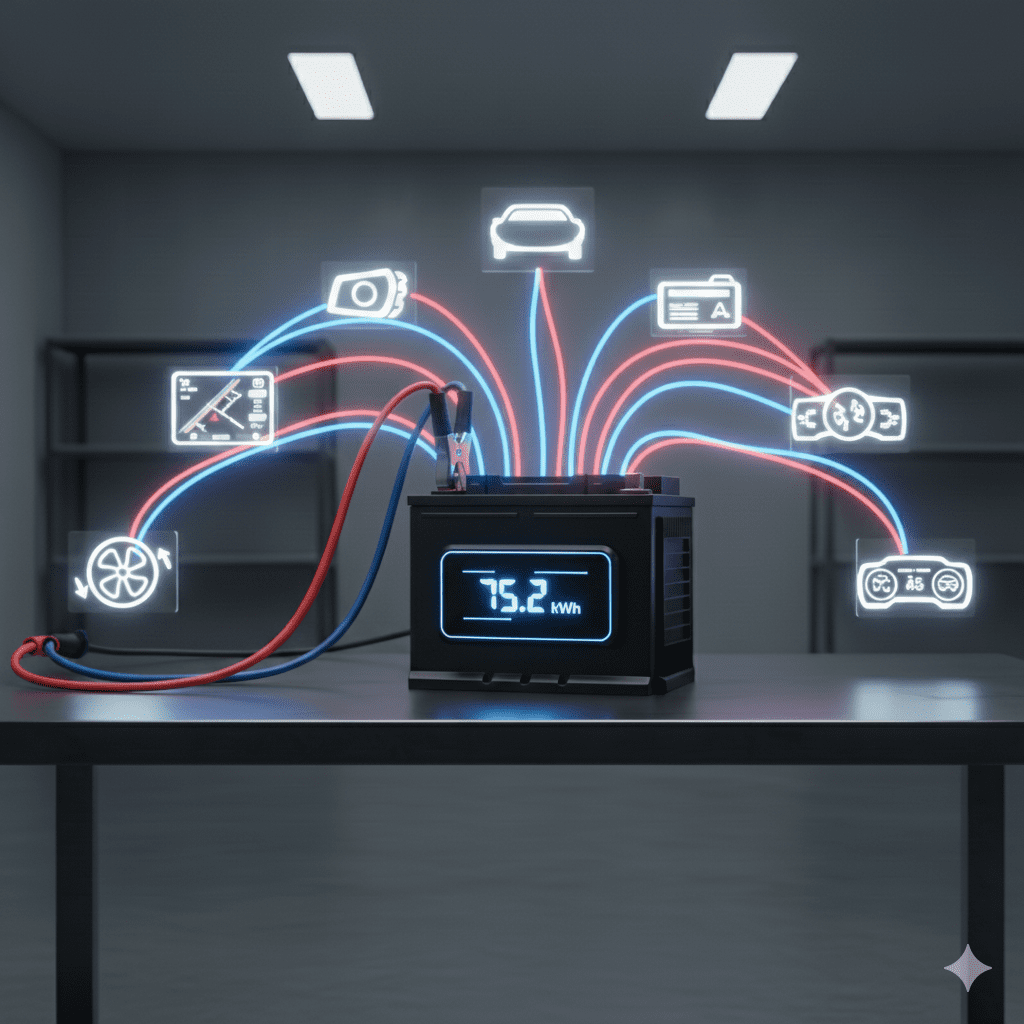
- High-power AC, infotainment systems, heated seats, and LED lighting increase load on the alternator
- Batteries with higher watt capacity maintain voltage better
- Overloading without alternator upgrade may reduce charge efficiency
Real-World Case Study
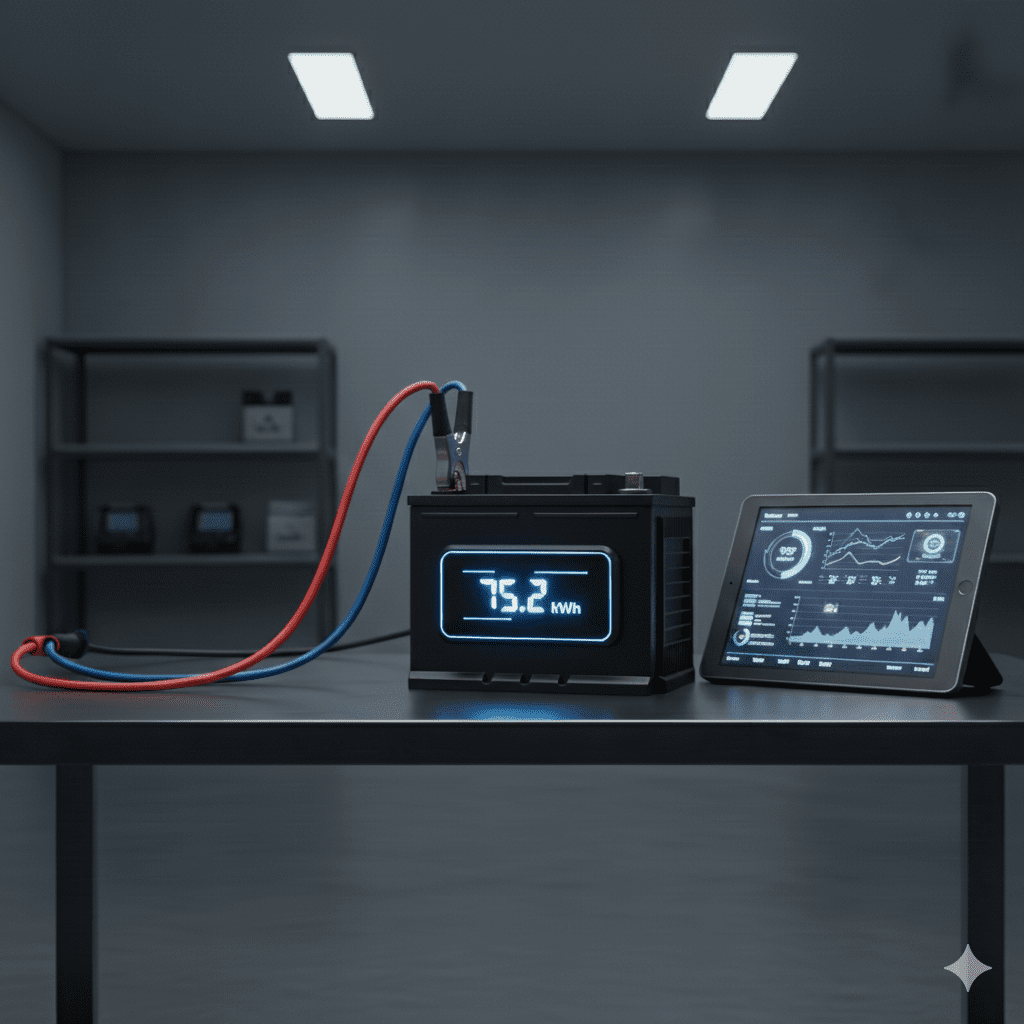
Vehicle: Luxury SUV with 12V 90Ah battery
Scenario: Heavy AC, infotainment, GPS running in Dubai summer
| Parameter | Before Upgrade | After Upgrading Battery & Alternator |
|---|---|---|
| Voltage at idle | 12.5V | 13.9V |
| Battery Watt Capacity | 70% | 95% |
| Accessory Runtime | 45 mins | 2 hours |
| Frequency of Jump-start | Monthly | None |
Conclusion: Upgrading battery and ensuring proper alternator function maximizes charge efficiency while driving.
How Long Does a Battery Take to Charge While Driving?
- Typical 12V car battery (60–100Ah)
- Highway driving at steady RPM (~2,000–3,000 RPM)
- Charge time: 1–2 hours to reach near full capacity from 50%
Short urban trips often do not fully charge the battery, which may require trickle charging or longer drives.
Professional Battery Solutions
- Amaron Car Battery Replacement: Link
- Bosch Car Battery Replacement: Link
- Tuflong Battery Replacement: Link
- Car Battery Price Guide 2025: Link
How to charge car battery with another car ?
How to Charge a Car Battery with Another Car (Jump-Starting Method)
Charging or jump-starting a car battery using another vehicle is a common and effective method when your battery is dead. Follow these steps carefully:
What You Need:
Jumper cables (red and black clamps)
A working vehicle with a fully charged battery
Safety gloves and eye protection (optional but recommended)
Step 1: Position the Cars
Park the working car close to the dead car so the batteries are within reach of the jumper cables, but do not let the cars touch.
Turn off both vehicles and remove keys from the ignition.
Step 2: Connect the Jumper Cables
Red clamp to dead battery positive (+)
Red clamp to donor car positive (+)
Black clamp to donor car negative (-)
Black clamp to bare metal ground on dead car (engine block or chassis; do not attach to negative battery terminal to prevent sparks)
Step 3: Start the Donor Vehicle
Start the working car and let it idle for 3–5 minutes to allow some charge to flow into the dead battery.
Step 4: Start the Dead Car
Try starting the dead car.
If it doesn’t start, wait a few more minutes with the donor car running, then try again.
Step 5: Remove the Jumper Cables
Remove cables in reverse order:
Black clamp from grounded metal
Black clamp from donor car battery negative (-)
Red clamp from donor car battery positive (+)
Red clamp from dead battery positive (+)
Keep the revived car running for at least 15–20 minutes to allow the alternator to charge the battery fully.
Safety Tips:
Never touch the clamps together during the process.
Avoid sparks near the battery as it contains flammable hydrogen gas.
If the battery won’t hold a charge, consider professional replacement.
Pro Tip: For reliable, long-term performance, use high-quality batteries like Amaron, Bosch, or Tuflong and consider professional inspection from EuroSwift Auto Services.
How to charge car battery with home electricity
How to Charge a Car Battery Using Home Electricity
Charging a car battery at home is possible using a battery charger designed for household outlets. This method is ideal for routine maintenance or fully charging a dead battery safely.
What You Need:
A compatible car battery charger (12V or 24V depending on your battery)
Safety gloves and eye protection
A well-ventilated area (to avoid hydrogen gas accumulation)
Step 1: Prepare the Battery
Remove the battery from the car if possible, or ensure the car is turned off with keys removed.
Inspect the battery for any cracks, leaks, or corrosion. Clean terminals if needed.
Step 2: Connect the Charger
Red clamp to positive (+) terminal of the battery.
Black clamp to negative (-) terminal of the battery.
Double-check connections to avoid short-circuiting.
Step 3: Set the Charger
Choose the charging mode (slow/fast) and voltage according to your battery type:
Slow charging (trickle charge) is safer and extends battery life.
Fast charging is quicker but can generate heat, so monitor closely.
Step 4: Turn On the Charger
Plug the charger into a home electrical outlet (110V–240V depending on your charger).
Observe the charger indicators:
Charging light on or digital readout shows progress.
Avoid leaving unattended for extended periods if using a fast charge mode.
Step 5: Finish Charging
Once fully charged (usually indicated by the charger), turn off the charger before disconnecting the clamps.
Remove clamps in reverse order: negative (-) first, then positive (+).
If removed, reinstall the battery in the vehicle.
Safety Tips:
Always charge in a well-ventilated area to avoid hydrogen buildup.
Never smoke or create sparks near a charging battery.
Avoid overcharging, which can damage the battery or reduce lifespan.
Pro Tip:
For maximum performance and safety, consider high-quality batteries such as:
Amaron Car Battery
Bosch Car Battery
Tuflong Car Battery
Professional inspection or assistance is available at EuroSwift Auto Services.
How to charge a car battery with battery charger dubai without
How to Charge a Car Battery with a Battery Charger in Dubai
Charging a car battery with a dedicated battery charger is the safest and most efficient way to maintain battery health.
Step 1: Safety First
Always wear gloves and eye protection.
Charge the battery in a well-ventilated area to prevent hydrogen gas buildup.
Make sure the charger is compatible with your battery voltage (usually 12V for most cars in Dubai).
Step 2: Prepare the Battery
If possible, remove the battery from the car.
Inspect for leaks, cracks, or corrosion.
Clean the terminals to ensure good electrical contact.
Step 3: Connect the Charger
Red clamp → Positive (+) terminal of the battery
Black clamp → Negative (-) terminal of the battery
Double-check that clamps are secure and not touching each other
Step 4: Set the Charger
Select charging mode:
Slow (trickle) charge – safest and extends battery life
Fast charge – quicker, but monitor to avoid overheating
Set the correct amperage based on battery capacity (Ah)
Step 5: Begin Charging
Plug the charger into a Dubai household socket (220–240V).
Monitor the charger’s indicators or digital display for progress.
Charging can take several hours depending on the battery’s state of charge.
Step 6: Finish and Disconnect
Turn off the charger before removing clamps
Remove clamps in reverse order: Negative (-) first, then Positive (+)
If removed, reinstall the battery into the vehicle
Tips for Best Results:
Avoid overcharging, which can damage the battery
Regularly maintain the battery terminals
Use high-quality batteries like Amaron, Bosch, or Tuflong for consistent performance
Pro Tip:
If unsure about the procedure or if the battery is old or heavily discharged, seek professional assistance from EuroSwift Auto Services for safe and efficient charging.
How to Charge a Car Battery with a Battery Charger ?
How to Charge a Car Battery with a Battery Charger
Charging a car battery with a dedicated charger is the safest and most effective way to maintain battery health.
What You Need:
A compatible battery charger (12V or 24V depending on your battery)
Safety gloves and eye protection
A well-ventilated area
Step 1: Prepare the Battery
Turn off your car and remove the keys.
Inspect the battery for damage, cracks, or leaks.
Clean the terminals to ensure good electrical contact.
Step 2: Connect the Charger
Red clamp → Positive (+) terminal of the battery
Black clamp → Negative (-) terminal of the battery
Ensure clamps do not touch each other during the process
Step 3: Set the Charger
Choose charging mode:
Slow (trickle) charge – safest, extends battery life
Fast charge – quicker, but monitor for overheating
Set the correct amperage according to your battery’s capacity (Ah)
Step 4: Start Charging
Plug the charger into a household outlet.
Observe the charger’s indicators or digital display for charge progress.
Charging time varies based on battery state and charger type.
Step 5: Finish and Disconnect
Turn off the charger before removing clamps.
Remove clamps in reverse order: Negative (-) first, then Positive (+).
Reinstall the battery into the car if removed.
Safety Tips:
Always charge in a ventilated area to avoid hydrogen gas buildup.
Avoid sparks near the battery.
Do not overcharge, as it can damage the battery.
Pro Tip:
For maximum performance and reliability, use high-quality batteries like:
Amaron Car Battery
Bosch Car Battery
Tuflong Car Battery
If unsure about the procedure, EuroSwift Auto Services provides professional battery charging and replacement services.
Which is the correct way to charge a car battery?
The correct way to charge a car battery is as follows:
Safety First
Wear protective gloves and safety glasses.
Ensure the area is well-ventilated to avoid buildup of explosive gases.
Turn Off Everything
Switch off the car engine and all electronics (lights, radio, AC).
Identify Battery Terminals
Positive (+) terminal is usually red.
Negative (–) terminal is usually black.
Use a Suitable Charger
Use a charger compatible with your battery type (lead-acid, AGM, gel, etc.).
Select the correct voltage (usually 12V for car batteries).
Connect Charger Properly
Red clamp to positive (+) terminal
Black clamp to negative (–) terminal
Make sure clamps don’t touch each other.
Set Charging Mode
Slow/Trickle charge is safest (around 2–10 amps).
Fast charge is possible but may reduce battery lifespan if used frequently.
Monitor the Charging
Avoid overcharging.
Disconnect when fully charged (usually charger indicator turns green).
Disconnect Safely
Turn off the charger.
Remove negative (–) clamp first, then positive (+) clamp.
Check Battery Health
Ensure there’s no corrosion or leakage.
Test voltage with a multimeter; fully charged 12V battery should read ~12.6–12.8V.
✅ Tip: Never charge a frozen or cracked battery. Always follow the manufacturer’s instructions.
Conclusion
Charging your car battery while driving is not just a convenience—it is essential for maintaining vehicle reliability, electrical system performance, and long-term battery health. By understanding how the alternator works, monitoring voltage, and following simple steps, drivers can ensure their battery remains in optimal watt capacity even under heavy accessory loads or extreme weather conditions.
The 5-step guide—starting with a healthy battery, inspecting the alternator, driving at steady RPM, minimizing high electrical loads during initial charge, and monitoring voltage—provides a practical roadmap to maximize charging efficiency. Real-world case studies show that vehicles adhering to these practices experience longer battery lifespan, consistent voltage stability, and fewer breakdowns.
Choosing high-quality batteries like Amaron, Bosch, or Tuflong further enhances charging performance and reliability.
For professional inspection, replacement, or battery upgrades, trust EuroSwift Auto Services to ensure your car battery is charged efficiently while driving and ready for any journey.
✅ Key Takeaway: Proper maintenance, smart driving habits, and high-quality batteries ensure your vehicle’s electrical system stays fully powered, safe, and efficient—every time you hit the road.

Leave a Reply