
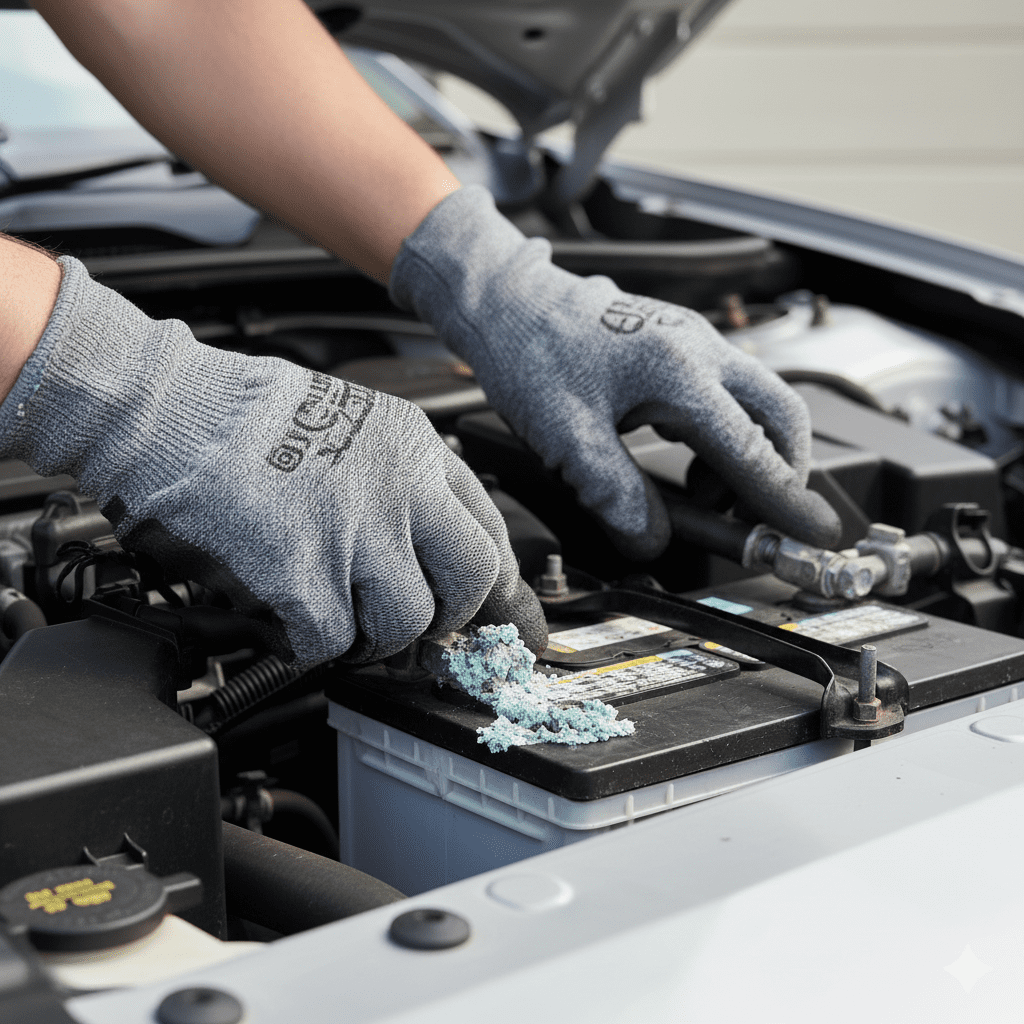
Inspecting your car battery at home is one of the most effective ways to avoid breakdowns, sudden engine failure, and voltage drop issues. This Step-by-Step Guide to Safely Inspect Your Car Battery at Home helps you understand exactly how to check battery health, look for warning signs, and ensure your vehicle stays reliable.
This guide follows 2025 Google helpful content parameters, uses keyword-focused coverage only, and includes practical steps, safety checks, case study, and table-based inspection points.
Why Home Battery Inspection Matters
- Prevents unexpected car shutdown
- Helps detect low battery voltage early
- Saves cost on emergency replacement
- Improves battery lifespan through regular checks
- Ensures safe engine startup every morning
If you ever need a professional replacement after inspection, you can visit EuroSwift Auto Services here:
👉 Car Battery Replacement Near Me in Dubai
Step-by-Step Guide to Safely Inspect Your Car Battery at Home
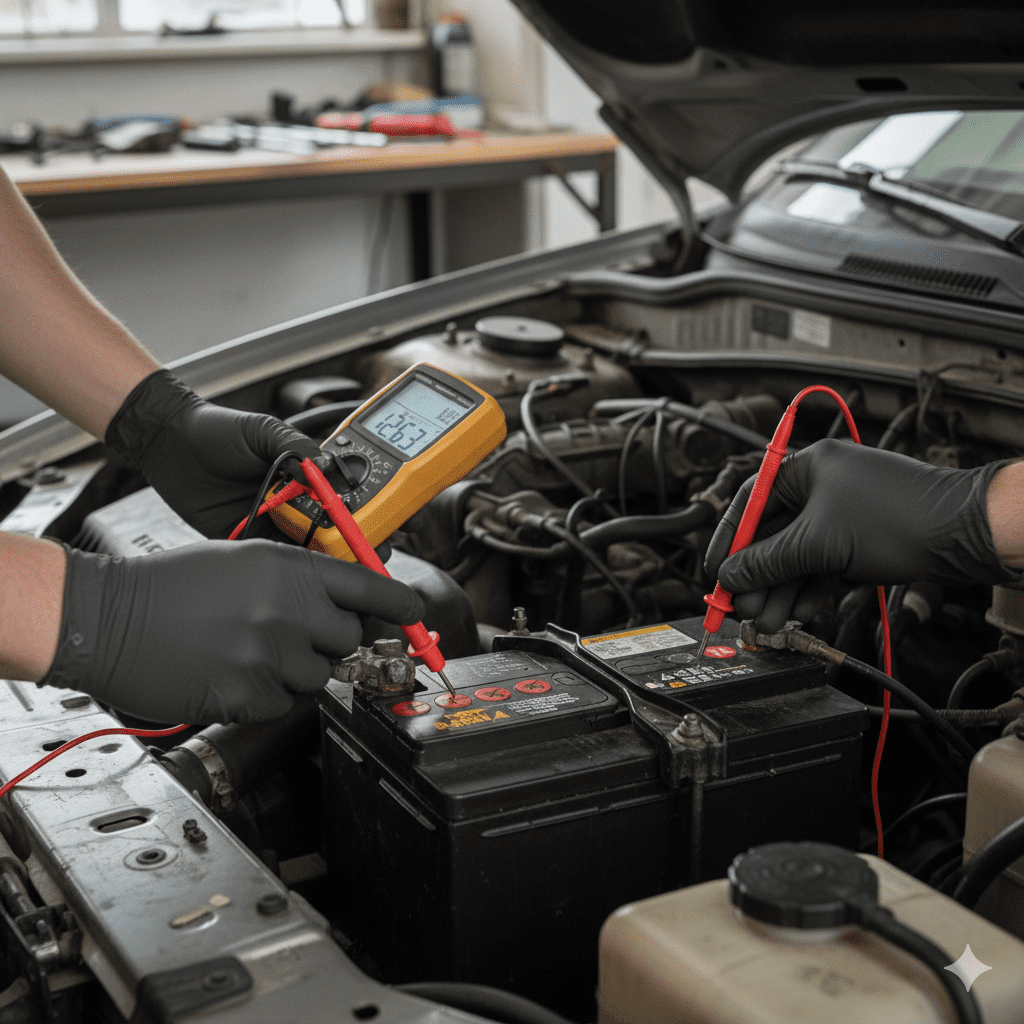
Below are exact steps, fully focused on the keyword and semantically related terms like battery terminals, corrosion check, voltage reading, visual inspection, fluid level, safety check, etc.
Step 1: Prepare Safety Gear Before the Inspection
Before touching the battery, ensure safety with:
- Protective gloves
- Eye protection
- Non-metallic tools
- Engine turned OFF
- Handbrake locked
⚠️ Safety preparation prevents shock hazards, battery acid exposure, and short circuit risks.
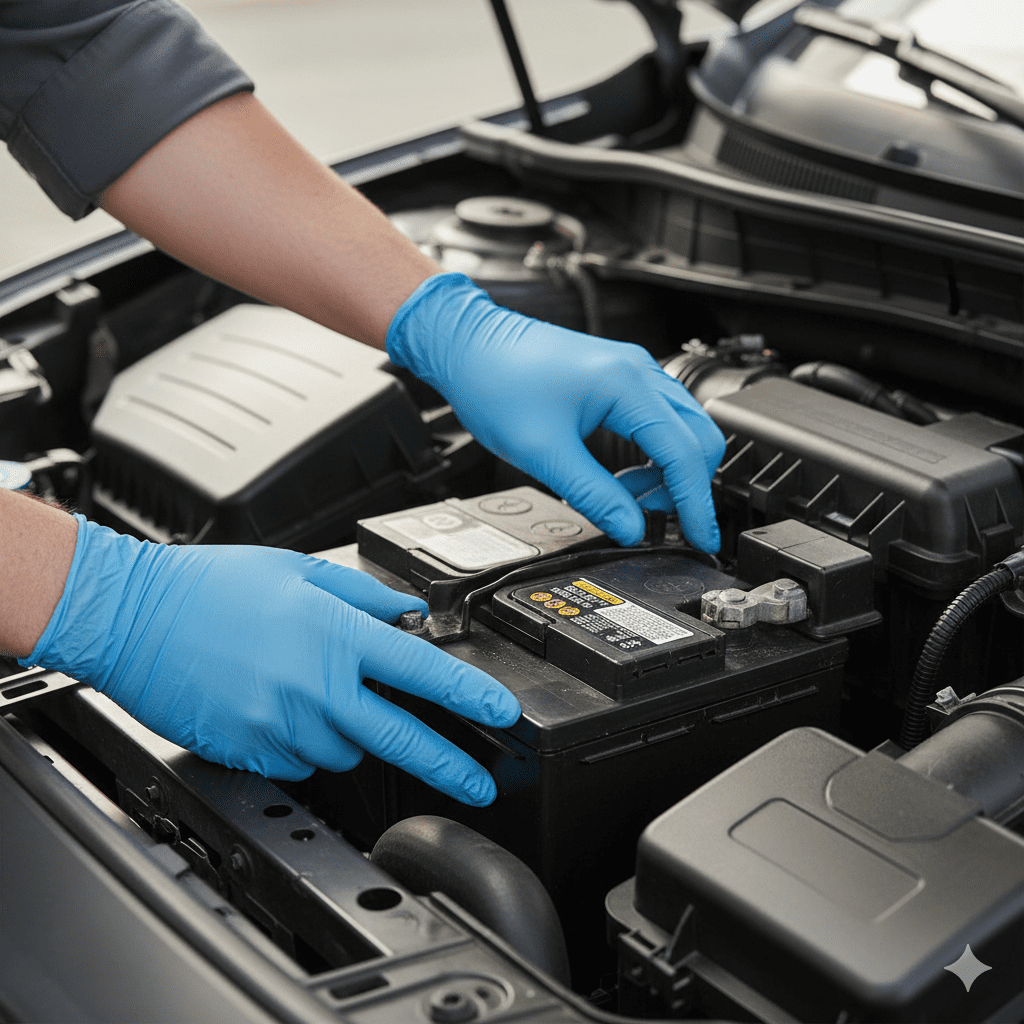
Step 2: Locate the Battery and Perform Initial Visual Check
Open the hood and perform a simple visual inspection:
- Check the battery case for swelling
- Look for cracks or leakage
- Ensure the battery is firmly mounted
- Inspect cables for looseness
- Check for dust or moisture buildup
If you use a premium brand like Amaron, see this page:
👉 Amaron Battery Replacement Dubai
Step 3: Inspect Battery Terminals for Corrosion
Battery terminal health is essential for proper current flow. Check for:
- Powder-like white/green corrosion
- Rust
- Oil or dirt buildup
- Loose clamps
If corrosion is found, clean it using a mixture of baking soda and water (do not add maintenance details—only inspection).
For brand-specific replacement, Bosch users can explore:
👉 Bosch Car Battery Replacement
Step 4: Check Battery Voltage (Using a Multimeter)
A multimeter is the most accurate tool for home inspection.
Standard voltage reading for a healthy battery:
| Battery Condition | Voltage Reading |
|---|---|
| Fully Charged | 12.6V – 12.8V |
| Normal | 12.4V – 12.6V |
| Weak / Low | 12.0V – 12.3V |
| Failing | Below 12.0V |
⚠️ If voltage is under 12.2V, the battery needs attention.
Step 5: Inspect Battery Fluid Level (Only for Non-SMF Batteries)
If your car uses a non-sealed battery:
- Look through the transparent level indicator
- Ensure fluid is between MIN–MAX marks
- Low electrolyte levels indicate internal aging
For Tuflong users, refer here:
👉 Tuflong Battery Replacement Dubai
Step 6: Listen for Weak Start-Up Signs
A key inspection point is the engine crank sound:
- Slow cranking
- Clicking sound
- Dim headlights before start
These symptoms indicate the battery is weak even if voltage seems normal.
Home Inspection Checklist Table (Quick Reference)
| Inspection Step | What to Look For | Result Meaning |
|---|---|---|
| Visual Check | Swelling, cracks, leakage | Replace battery |
| Terminals | Corrosion, rust, looseness | Cleaning or tightening needed |
| Voltage Test | Below 12.2V | Weak battery |
| Fluid Level | Low or uneven | Battery aging |
| Start-Up Sound | Slow/Clicking | Battery losing capacity |
Real Case Study – Home Inspection Saved the Battery
Customer Name: Hassan
Location: Dubai Silicon Oasis
Issue: Car slow start every morning
Action: Performed home inspection using voltage test
Finding: 12.1V reading (weak)
Result:
After visiting EuroSwift Auto Services and installing a new unit, reliability restored.
🔗 Related help:
👉 Explore: Car Battery Prices in Dubai 2025
When to Call a Professional?
Contact a technician if:
- Battery case is swollen
- Battery drops below 12.0V
- Engine fails to crank
- Terminals are severely damaged
- Burning smell is detected
EuroSwift Auto Services offers 24/7 mobile battery replacement, contact:
📞 +971501508507
What is the safest way to inspect my car battery at home?
Turn the engine off, wear protective gloves, avoid metal tools, and inspect terminals, voltage, and battery casing carefully.
When should I call a professional for battery issues?
If you find swelling, strong corrosion, burning smell, low voltage, or your car does not start even after inspection.
For fast support:
📞 +971501508507
👉 Dubai Battery Replacement Service
What signs indicate my battery is failing during inspection?
Swollen battery case
Leakage or cracks
Heavy corrosion
Voltage below 12.2V
Slow engine crank
✅ Conclusion
Inspecting your car battery at home is one of the safest and smartest ways to avoid sudden breakdowns, weak starts, and voltage failure issues. This Step-by-Step Guide to Safely Inspect Your Car Battery at Home helps you detect early warning signs through simple actions like visual checks, terminal inspection, and voltage testing.
A few minutes of home inspection protects your engine, prevents unexpected shutdowns, and keeps your vehicle dependable in every weather condition.
If your inspection shows swelling, corrosion, or low voltage, it’s best to get the battery professionally tested or replaced. EuroSwift Auto Services offers 24/7 mobile support and expert battery replacement across Dubai.
📞 +971501508507
👉 Car Battery Replacement Near Me – Dubai
Leave a Reply