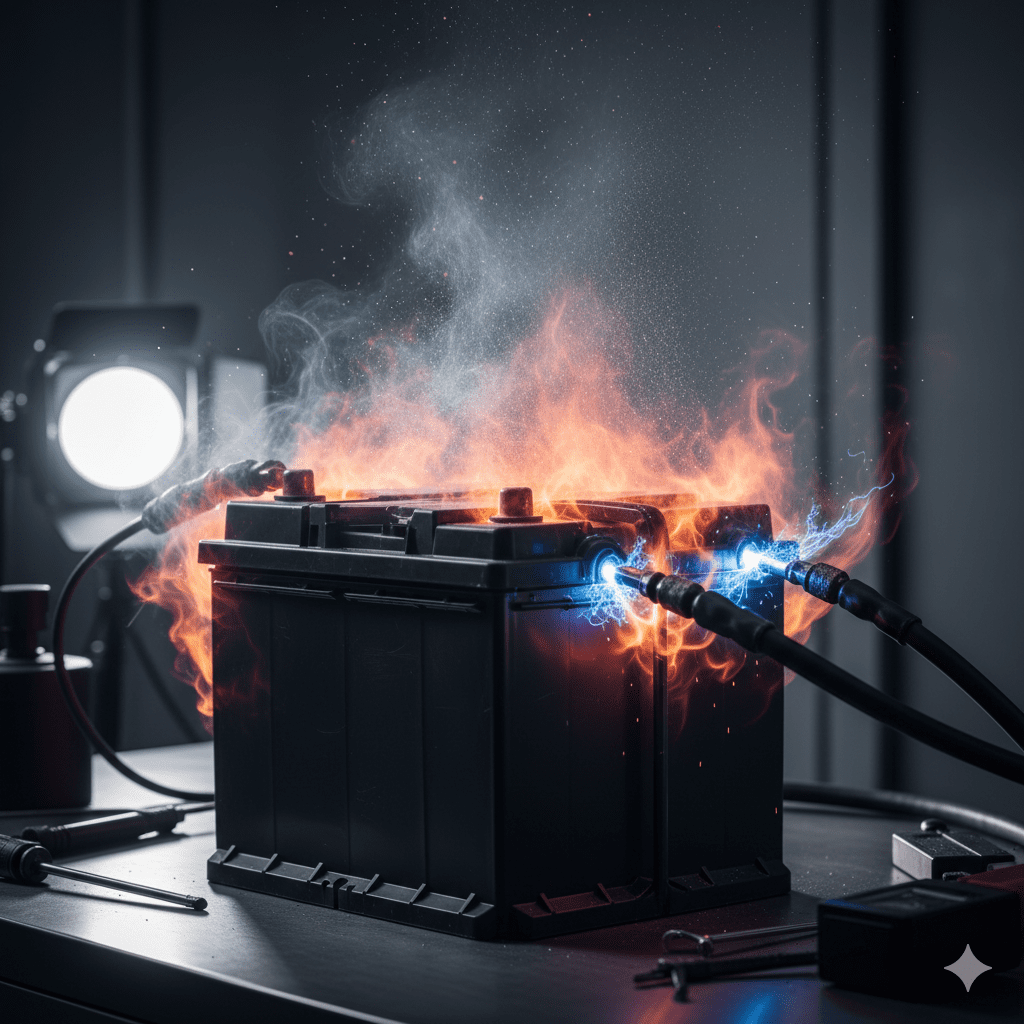
Quick charging is often promoted as a time-saving solution, but understanding why quick charging harms batteries is essential for long-term battery health, reliability, and performance. While fast chargers deliver power rapidly, they also introduce physical and chemical stresses that shorten battery lifespan.
What Is Quick Charging?
Quick charging refers to supplying high current and voltage to a battery in a short time. Although convenient, this charging method disrupts the battery’s internal balance, leading to accelerated degradation.
Why Quick Charging Harms Batteries – Core Reasons
1. Excessive Heat Generation
One major reason why quick charging harms batteries is heat buildup. High charging currents raise internal temperature, damaging battery cells and weakening internal separators.
2. Accelerated Chemical Degradation
Quick charging speeds up chemical reactions inside the battery, causing:
- Electrode breakdown
- Electrolyte instability
- Reduced charge retention
These reactions permanently reduce battery efficiency.
3. Lithium Plating Risk
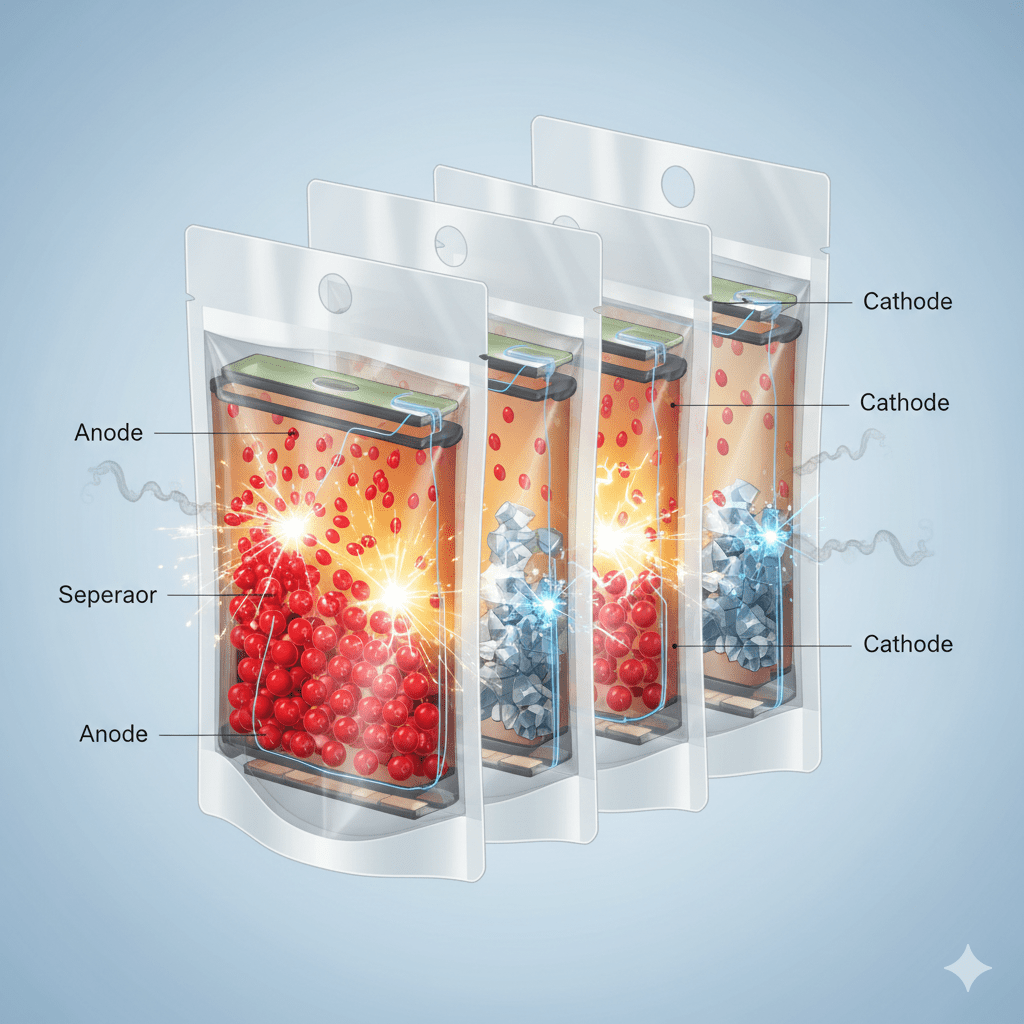
In fast charging, lithium ions fail to embed properly into electrodes, forming lithium metal deposits, which:
- Reduce usable capacity
- Increase short-circuit risk
- Cause irreversible damage
4. Voltage Stress on Battery Cells
Quick chargers push voltage limits aggressively. Continuous exposure causes:
- Micro-fractures in electrodes
- Weakening of cell structure
- Early battery failure
5. Reduced Charging Cycle Lifespan
Battery lifespan is measured in charge cycles. Quick charging consumes more cycles per charge, reducing overall battery life significantly.
6. Uneven Cell Balancing
Fast charging prevents equal distribution of energy between cells, leading to:
- Cell imbalance
- Overcharging of weaker cells
- Premature pack failure
7. Internal Resistance Increase
Quick charging increases internal resistance over time, making batteries:
- Heat faster
- Charge slower
- Drain quicker
8. Thermal Runaway Risk
Repeated fast charging raises the risk of thermal runaway—an uncontrolled heat reaction that can permanently destroy batteries.
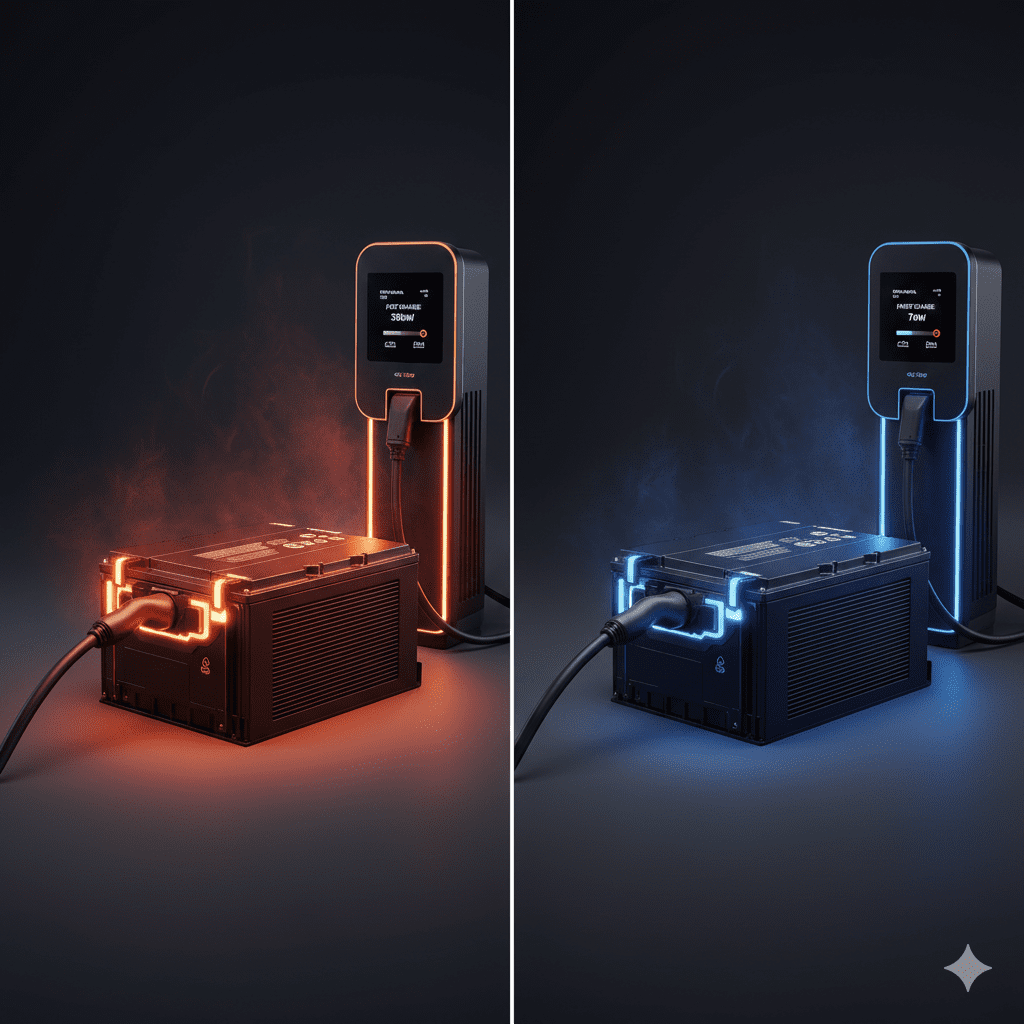
Case Study: Impact of Quick Charging vs Normal Charging
| Charging Method | Avg Battery Life | Heat Impact | Capacity Loss |
|---|---|---|---|
| Standard Charging | 4–5 Years | Low | 10–15% |
| Occasional Quick Charging | 3–4 Years | Medium | 20–25% |
| Frequent Quick Charging | 1.5–2 Years | High | 35–45% |
This table clearly explains why quick charging harms batteries when used repeatedly.
Why Quick Charging Is More Harmful in Hot Climates
In regions like Dubai, ambient heat combined with fast charging multiplies damage by:
- Raising electrolyte evaporation
- Accelerating sulfation
- Increasing internal pressure
Professional inspection from EuroSwift Auto Services helps detect early battery stress caused by fast charging.
👉 Learn more about car battery replacement near you in Dubai
Battery Types Most Affected by Quick Charging
Amaron Batteries
While durable, repeated fast charging reduces Amaron battery reserve capacity.
🔋 Learn about Amaron car battery replacement in Dubai
Bosch Batteries
Bosch batteries require controlled charging profiles. High-speed charging causes early voltage instability.
🔧 Read about Bosch battery replacement services
Tuflong Batteries
Tuflong batteries experience faster plate corrosion when exposed to repeated fast charging.
⚡ Explore Tuflong battery replacement in Dubai
Cost Impact of Quick Charging Damage
Battery degradation caused by quick charging increases replacement frequency.
💰 Check the complete car battery price guide in Dubai
Why Manufacturers Still Allow Quick Charging
Quick charging is designed for emergency use, not daily charging. Battery management systems allow it but cannot fully prevent long-term damage.
Why does quick charging harm batteries?
Quick charging harms batteries because it forces high current into the cells, generating excess heat and accelerating chemical wear, which permanently reduces battery lifespan.
Does quick charging reduce battery life?
Yes. Quick charging reduces battery life by increasing internal resistance, damaging electrodes, and consuming more charging cycles per use.
Is occasional quick charging safe for batteries?
Occasional quick charging is generally safe, but frequent use causes cumulative heat and chemical damage that shortens battery life.
Conclusion
Understanding why quick charging harms batteries helps vehicle owners avoid premature battery failure. While fast charging is useful occasionally, repeated use leads to heat damage, chemical instability, reduced lifespan, and higher replacement costs. Balanced charging practices are essential for battery longevity.
Leave a Reply