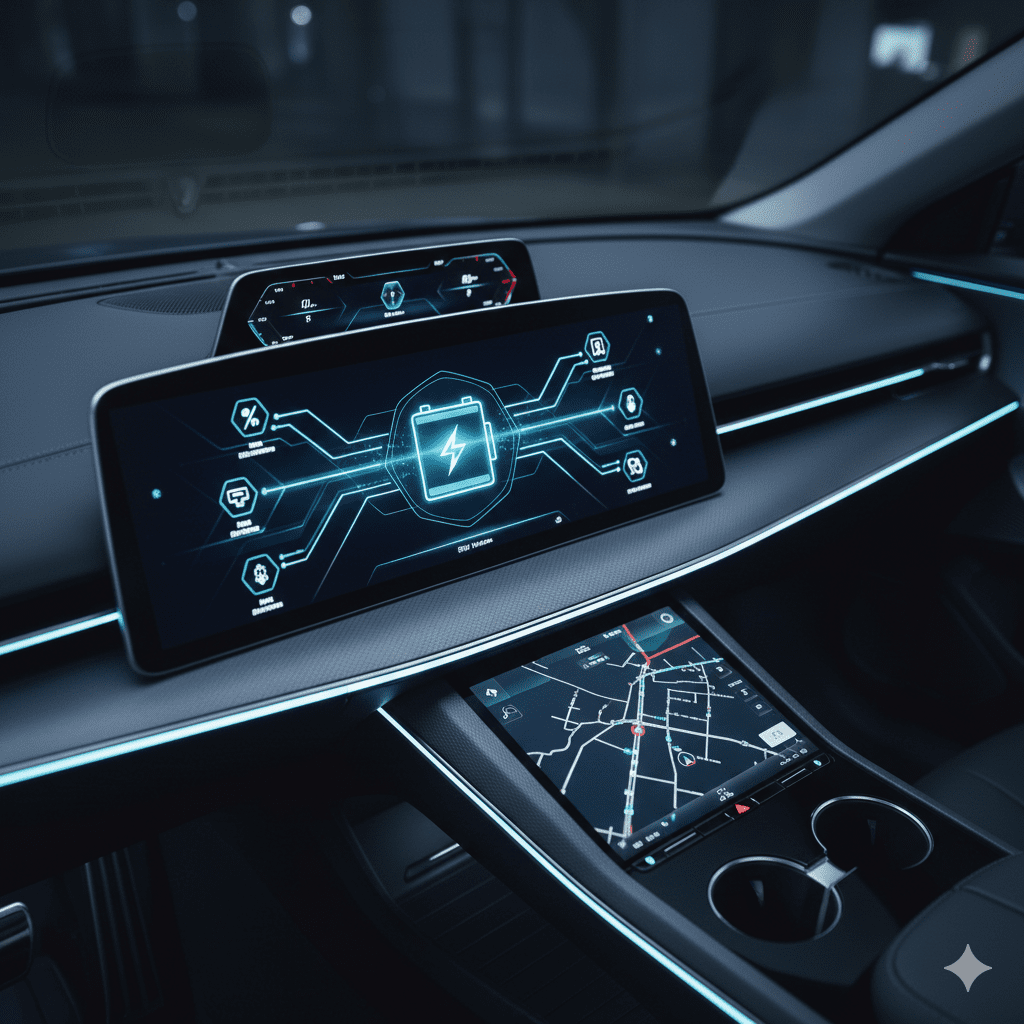
Modern cars are packed with advanced features, and one of the biggest power-consuming components today is the high-tech dashboard. From touchscreen infotainment systems and digital instrument clusters to AI-driven driver assistance displays, high-tech dashboards draw significant electrical load—directly affecting car battery life.
In this guide, we explain why high-tech dashboards affect battery life, how the dashboard’s digital systems consume energy, what symptoms drivers experience, and how to protect battery performance in modern vehicles.
What Makes High-Tech Dashboards Affect Battery Life?
High-tech dashboards impact the battery because they depend on constant electrical power for displays, processors, sensors, and integrated systems. These digital features operate even when the vehicle appears “off,” creating continuous demand on the battery.
Here are the primary reasons:
1. Continuous Power Consumption
Modern dashboards remain semi-active to support:
- memory storage
- clock functions
- security alarms
- digital gauges
- system monitoring
This continuous drain accelerates battery depletion, especially in vehicles parked for long periods.
2. Multiple Screens Increase Electrical Load
A traditional dashboard used minimal power, but high-tech dashboards include:
- full LCD / TFT clusters
- large infotainment screens
- HUD (Head-Up Display) systems
- ambient lighting controls
These components create a heavier load, reducing battery life faster.
3. Built-In Computing Systems
High-tech dashboards run full embedded computers that manage:
- navigation
- vehicle analytics
- live data monitoring
- software synchronization
- driver assistance alerts
High computing demand = higher battery strain.
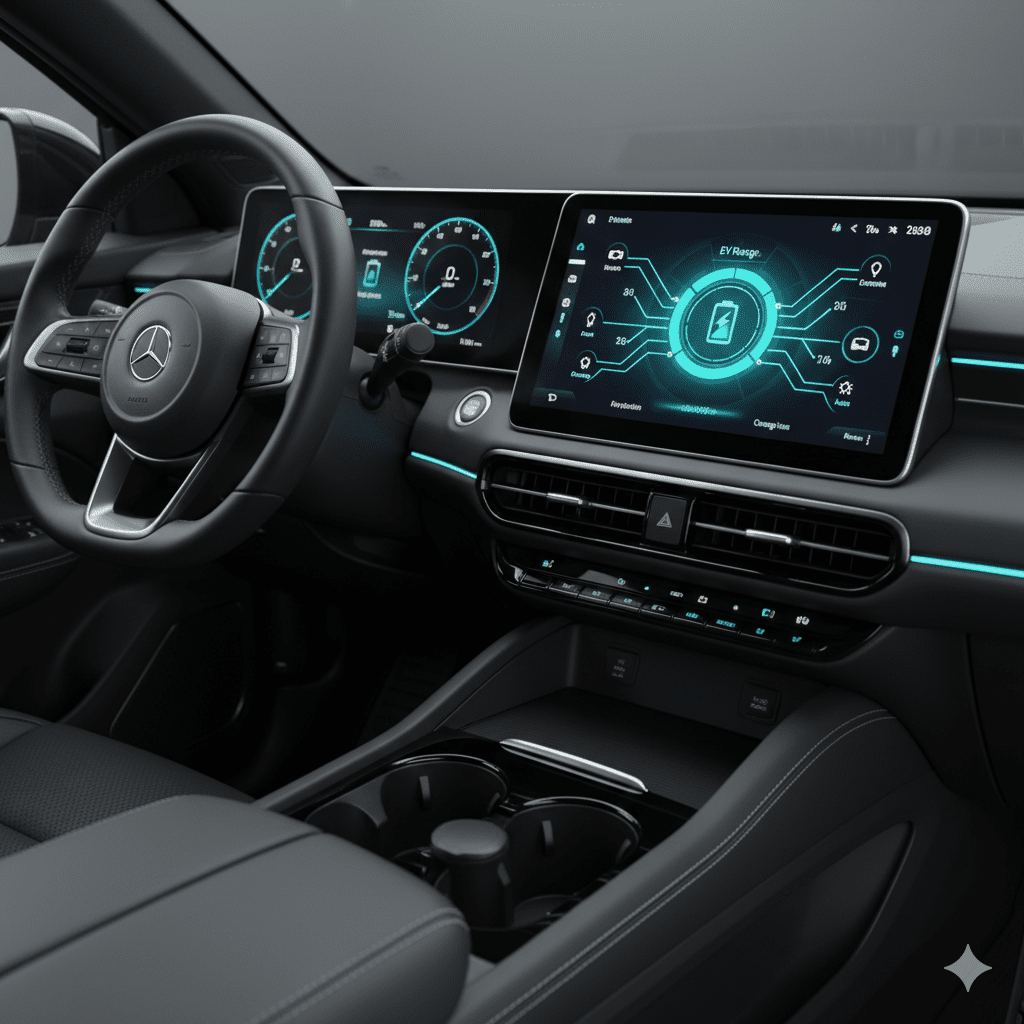
4. Always-On Connectivity
High-tech dashboards use technologies like:
- Bluetooth
- Wi-Fi
- GPS
- CAN-Bus communication
- Cloud sync
Even in standby mode, these systems draw current and shorten the battery’s usable lifespan.
5. Heavy Start-Up Load
When the car is started, the digital dashboard requires a surge of current to boot its systems. This startup load puts additional stress on the battery, especially as it ages.
Symptoms That High-Tech Dashboards Are Draining Your Battery
- Slow screen boot-up
- Flickering display
- Dim cluster brightness
- Infotainment restarting
- Battery warning light
- Need for jump-start
- Electrical glitches
These issues often appear in newer vehicles with advanced dashboards.
How High-Tech Dashboards Affect Battery Life – Detailed Breakdown
| Dashboard Feature | Power Demand | Impact on Battery Life |
|---|---|---|
| Digital Instrument Cluster | High | Shortens lifespan by continuous drain |
| Touchscreen Infotainment | Medium–High | Significant power draw during trips |
| HUD Display | Medium | Adds extra load on startup |
| Connectivity Features | High | Even drains battery when car is off |
| Inbuilt Navigation | Medium | Uses display + processor power |
| Driver Assistance Alerts | High | Runs real-time data processing |
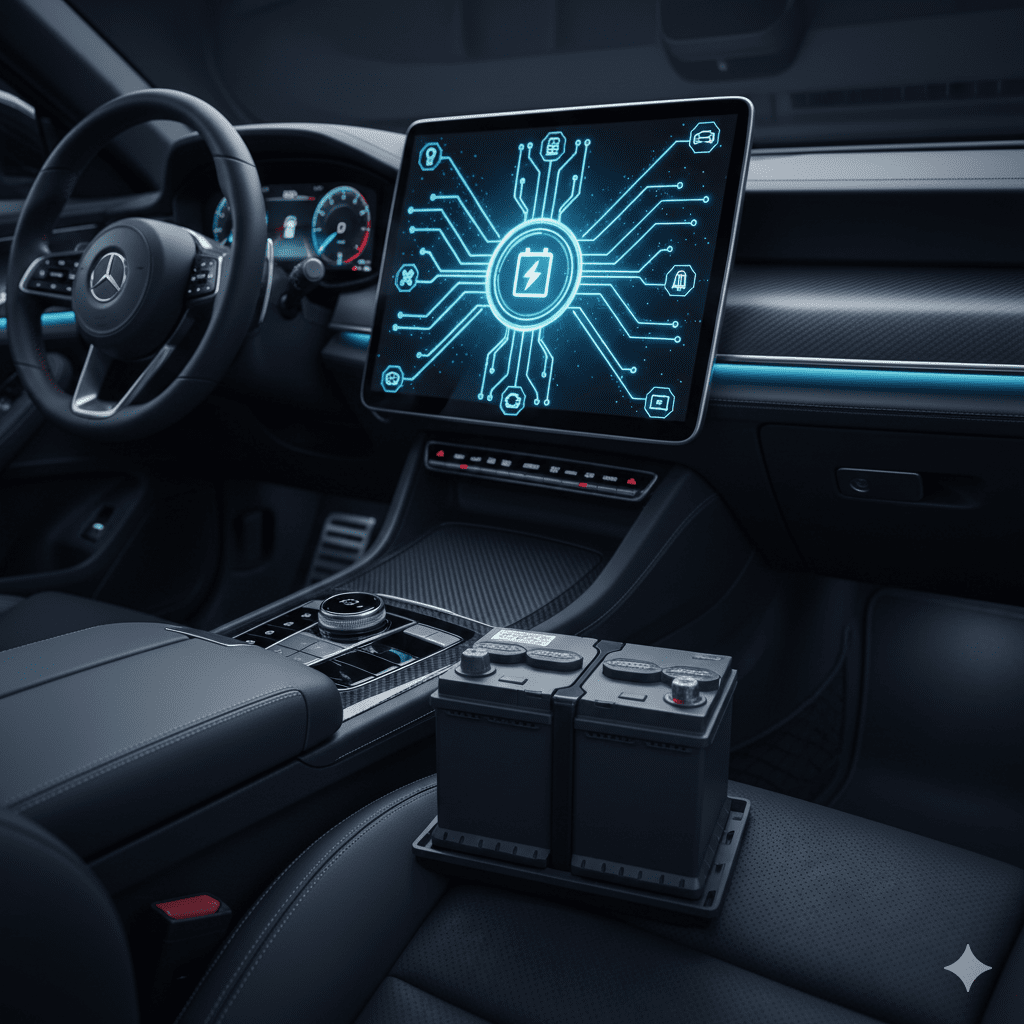
Case Study – High-Tech Dashboard Draining Battery in Dubai
Car Model: BMW X5 2022
Location: International City, Dubai
Issue: Battery draining overnight
Cause: High-tech dashboard staying in “semi-active mode” due to connected services
Diagnosis: Idle battery drain measured at 0.45A (very high)
Solution: System reset + Amaron AGM battery replacement
Time: 25 minutes
Result: Normal battery drain restored (0.07A), issues solved
This case shows how advanced dashboards can heavily impact modern batteries, especially in Dubai’s heat.
How to Reduce Battery Drain Caused by High-Tech Dashboards
✔ Turn off unnecessary connectivity
Disable Wi-Fi, Bluetooth, and hotspot when not in use.
✔ Reduce screen brightness
Lower brightness decreases power draw.
✔ Limit idle time
High-tech dashboards consume power even when the car idles.
✔ Avoid frequent accessory mode usage
Don’t keep the infotainment running without the engine.
✔ Install heat-resistant batteries
Brands like Amaron, Bosch, and Tuflong handle dashboard load better.
Check recommended options:
When to Replace a Battery Affected by High-Tech Dashboards
A battery overstressed by dashboard load typically lasts:
- AGM Batteries: 24–36 months
- EFB Batteries: 18–30 months
- Conventional Batteries: 12–24 months
For updated pricing in Dubai:
👉 2025 Car Battery Price Guide
Why Choose EuroSwift Auto Services for Battery Replacement?
EuroSwift provides expert support for vehicles with high-tech dashboards, including:
- Proper battery coding
- Voltage adaptation
- On-site replacement
- 24/7 Dubai coverage
- Heavy-load compatible batteries
👉 Learn more:
Car Battery Replacement Near Me Dubai
How do high-tech dashboards affect battery life?
High-tech dashboards consume continuous power for digital displays, infotainment systems, sensors, connectivity modules, and driver assistance features, which increases the battery load even when the car is off.
Which dashboard features drain the most battery?
Large LCD/TFT clusters, touchscreens, HUD (Head-Up Display), built-in navigation, always-on connectivity (Bluetooth, Wi-Fi, GPS), and driver assistance alerts are the primary contributors to battery drain.
Which batteries are best for cars with high-tech dashboards?
Heat-resistant, high-capacity batteries like Amaron, Bosch, and Tuflong are ideal for modern vehicles with advanced dashboards.
Amaron Battery Replacement Dubai
Bosch Battery Replacement Dubai
Tuflong Battery Replacement Dubai
Conclusion
High-tech dashboards enhance comfort and driving experience, but they significantly impact battery life due to continuous power consumption, advanced electronics, and always-on features. Understanding why high-tech dashboards affect battery life helps drivers maintain better performance and avoid unexpected failures—especially in hot cities like Dubai.
Leave a Reply