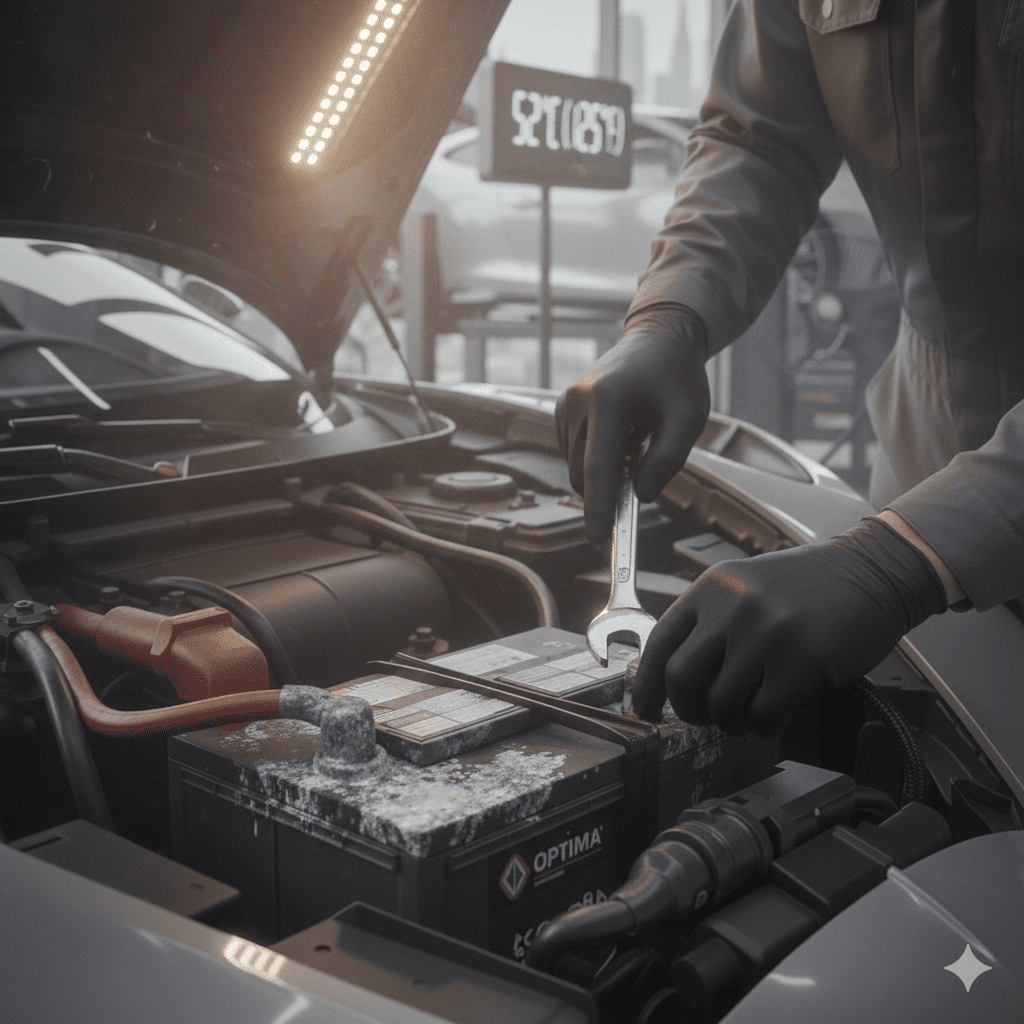
Understanding critical maintenance steps for hot weather is essential for protecting vehicle reliability, safety, and performance. High temperatures accelerate wear on batteries, fluids, electrical systems, and cooling components. Proper hot-weather maintenance focuses on prevention, inspection, and thermal protection, ensuring vehicles remain dependable during extreme heat conditions.
Why Hot Weather Maintenance Is Critical
Hot climates cause:
- Faster battery degradation
- Increased fluid evaporation
- Electrical resistance rise
- Cooling system stress
- Rubber and insulation deterioration
Following critical maintenance steps for hot weather reduces breakdown risk and extends component lifespan.
1. Battery Health Inspection in Hot Weather
Heat is the number one enemy of car batteries. High temperatures accelerate internal battery chemical reactions, shortening battery life.
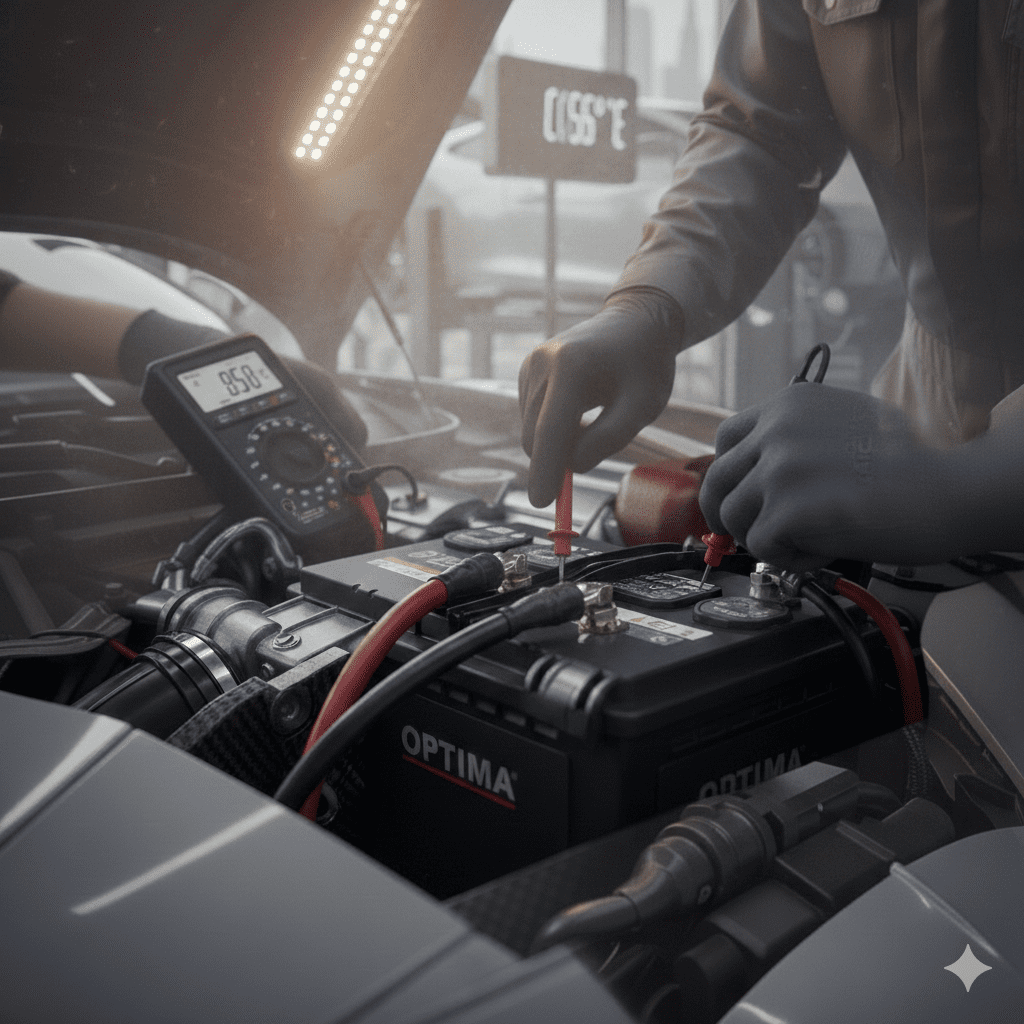
Regular inspection includes:
- Terminal tightness
- Cable condition
- Voltage stability
- Heat-related swelling
🔗 Car battery replacement near me Dubai
2. Battery Brand Suitability for High Temperatures
Using heat-resistant batteries is a critical hot-weather maintenance step.
🔗Amaron Batteries
Designed for hot climates and long thermal exposure.
🔗 Bosch Batteries
Stable voltage output under extreme temperature load.
🔗 Tuflong Batteries
Cost-effective and heat-tolerant for daily driving.
3. Cooling System Preventive Checks
Hot weather places continuous strain on the cooling system. Maintenance steps include:
- Coolant level inspection
- Radiator airflow check
- Hose heat cracking inspection
- Cooling fan functionality testing
Cooling system efficiency directly impacts engine temperature stability.
4. Engine Oil Condition Monitoring
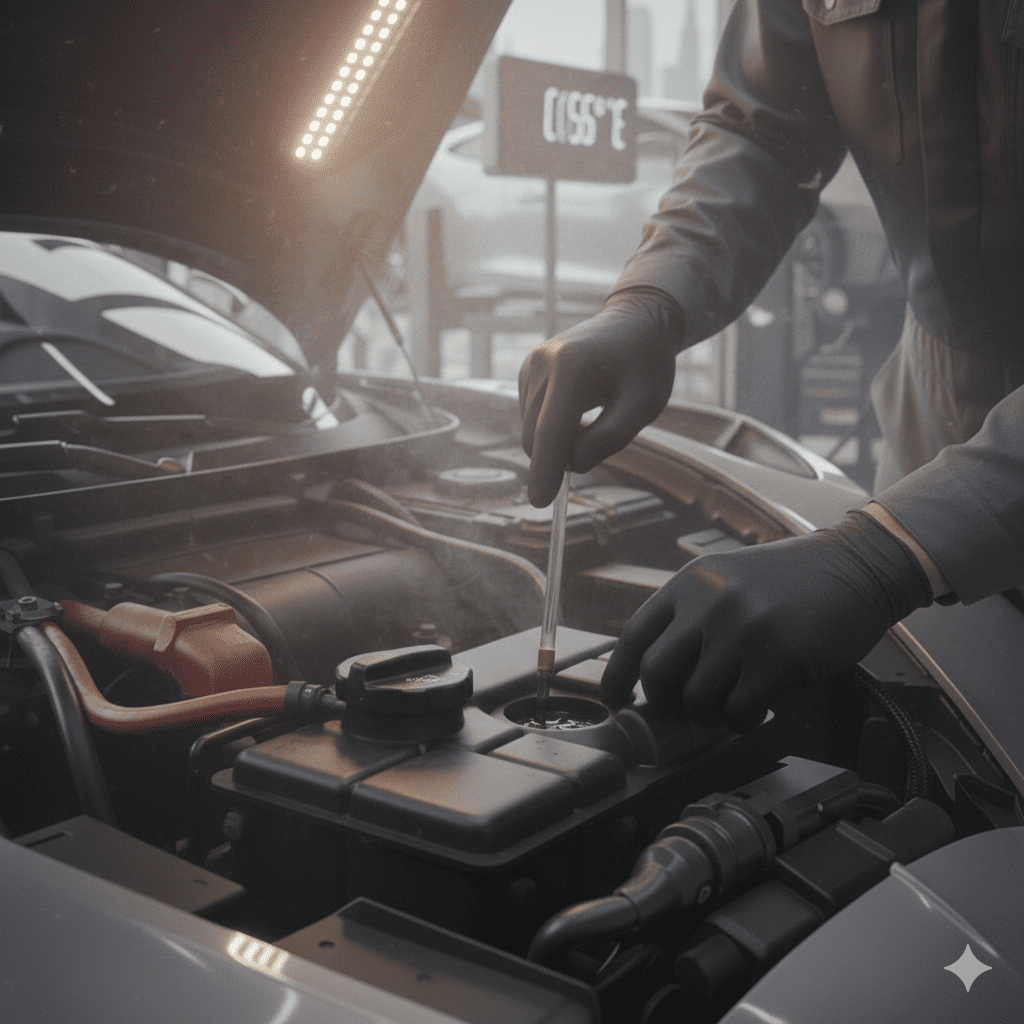
High heat thins engine oil, reducing lubrication efficiency. Hot-weather maintenance requires:
- Oil viscosity suitability
- Oil level consistency
- Heat-resistant lubrication properties
Fresh oil improves thermal control and reduces friction stress.
5. Electrical System Heat Protection
Heat increases electrical resistance. Preventive steps include:
- Battery cable inspection
- Ground connection testing
- Alternator voltage stability
Electrical checks prevent voltage drops during high-temperature operation.
6. Air Conditioning System Readiness
In hot weather, the AC system runs continuously. Maintenance steps focus on:
- Refrigerant pressure balance
- Compressor load efficiency
- Cabin airflow consistency
Proper AC function also reduces engine heat load.
7. Tire Pressure Adjustment in Heat
Hot air expands tire pressure. Critical maintenance steps include:
- Pressure calibration
- Tread heat wear inspection
- Sidewall heat stress evaluation
Correct tire pressure improves safety and fuel efficiency.
8. Brake System Heat Inspection
High temperatures increase brake component wear. Maintenance checks include:
- Brake fluid heat resistance
- Pad heat glazing inspection
- Rotor thermal stress evaluation
9. Battery Cost Planning for Hot Climates
Preventive maintenance helps avoid unexpected battery replacement expenses.
🔗 Car battery price guide Dubai 2026
Case Study: Hot Weather Maintenance Preventing Breakdown
| Vehicle | Heat Issue | Maintenance Step | Result |
|---|---|---|---|
| Toyota Camry | Battery drain | Battery inspection | Reliable starts |
| BMW X5 | Engine heating | Cooling system check | Stable temperature |
| Nissan Altima | AC overload | Electrical inspection | Improved efficiency |
Insight:
Vehicles that follow critical maintenance steps for hot weather experience fewer roadside failures.
Preventive Maintenance vs Neglected Vehicles (Heat Impact)
| Factor | Maintained Vehicle | Neglected Vehicle |
|---|---|---|
| Battery lifespan | Extended | Shortened |
| Engine temperature | Stable | Overheating |
| Electrical reliability | Consistent | Voltage drops |
| Breakdown risk | Low | High |
Why are maintenance steps important in hot weather?
Hot weather accelerates wear on batteries, fluids, cooling systems, and electrical components, making preventive maintenance essential to avoid breakdowns.
Which vehicle components are most affected by extreme heat?
Batteries, cooling systems, engine oil, electrical wiring, tires, and brake components are the most heat-sensitive parts.
How often should vehicles be inspected during hot weather?
Vehicles should be inspected every 3–6 months, and immediately if overheating, warning lights, or starting issues occur.
Conclusion
Following critical maintenance steps for hot weather is essential for vehicle safety, performance, and cost control. Heat-focused inspections protect batteries, fluids, electrical systems, and cooling components from accelerated wear. Proactive maintenance ensures vehicles remain reliable even in extreme temperatures.
Leave a Reply